
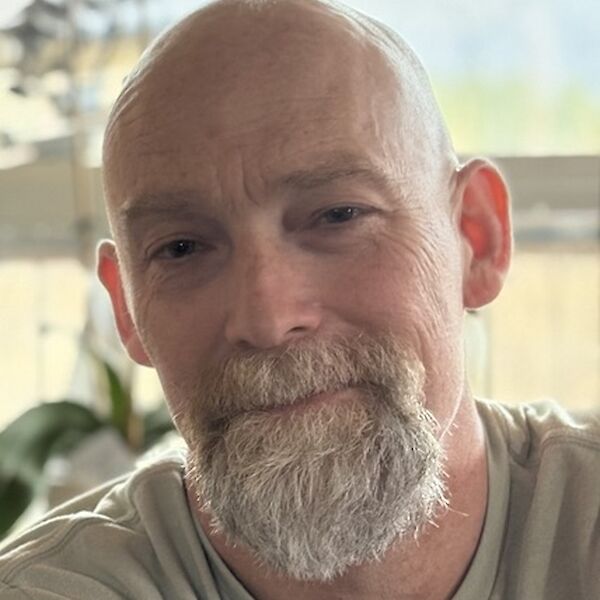
Dan Eheler
Policy commitments
We all want healthy, affordable, and comfortable homes. These policies will help to lower energy bills, cut pollution, and improve indoor air quality.
Our community is already experiencing the harmful impacts of climate change caused by fossil fuel pollution, and taxpayers are on the hook to upgrade and repair critical infrastructure.
The air we breathe, the water we drink, and the food we eat all rely on healthy ecosystems. Nature can also help protect our community from extreme weather by controlling floods, protecting shorelines, and cooling neighbourhoods. Access to nature improves the health and well-being of residents, and supports biodiversity.
We envision vibrant, walkable communities that protect nature and improve food security.
Connecting neighbourhoods through public transit and active transportation networks will cut pollution, improve public health, and make our communities more affordable (and fun!).
Climate change, increasing populations, and overconsumption threaten our water security. Healthy watersheds and forests are critical to support clean drinking water, stormwater management, climate resilience, and biodiversity for future generations.
Zero waste policies reduce pollution, keep waste out of landfills, build resilient local economies, and safeguard public health by shifting society away from a disposable culture toward a sustainable circular economy.
Climate action
I've also made it a priority to protect trees wherever I can, whether that's preserving mature trees on a site or thinking twice before removing green space that doesn't need to go. These may seem like small, practical choices, but multiplied across years of business operations, they add up.
I haven't sat on a climate-specific advisory committee, but my years with the Rossland Chamber of Commerce, the Arena Task Force and the Economic Task Force gave me a good understanding of how sustainability and cost decisions intersect at the municipal level — an approach I'd bring to council.
I recognize there's more I can do, both personally and in my businesses, and I see municipal leadership as a chance to extend that mindset community-wide — encouraging the everyday waste reduction and environmental care that doesn't require large budgets, just consistent effort.
Questions for Rossland
I think often about the multi-generational farms in the Paterson area, where families are now raising a fourth generation on properties that could be directly affected. Those are real people with real stakes, and their concerns about potential damage to their land and water deserve to be heard and taken seriously by both the City and the Province.
Locally, I'd push Rossland to formally engage with the Province and regional partners to ensure concerns about downstream water impacts, farmland, and lost recreation access are part of the official record, and support independent water-quality monitoring for the watershed.
Provincially, I do not support any project that risks damaging downstream drinking water, farmland, or recreation areas residents rely on, and I'd advocate for a full environmental assessment before construction proceeds.
At the same time, if this project does move forward despite these concerns, I don't think Rossland should be left empty-handed. I'd want the City to explore whether a community benefit agreement could bring real value back here — funding toward pool or arena upgrades, daycare spaces, or other priorities that improve quality of life for residents. Standing firm against the risks doesn't mean giving up on making sure Rossland benefits if this decision is ultimately made outside our control.
One priority I'd advocate for is fixing how we handle construction and yard waste. Right now, Rossland doesn't have a good local solution for tree and stump disposal or construction debris, which means usable material gets wasted or hauled long distances instead of being diverted and reused. I'd push for the City to explore a proper reuse centre — a place where residents and contractors can drop off and pick up reusable materials, lumber, and yard waste instead of sending it to landfill. Even as one councillor, I can raise this consistently and build support for it around the table, since it supports the plan's goals by cutting the waste and emissions tied to construction and demolition.
Beyond that, I'd use my voice to keep the plan grounded in wins we can realistically deliver within budget — continuing energy-efficiency incentives for buildings, supporting EV charging as demand grows, and pursuing outside funding to offset bigger infrastructure costs.
Real progress on renewable energy goals takes the whole council and community moving together. My commitment is to keep raising these practical steps and advocating for movement, even when change comes incrementally.
I think the City deserves credit here: Rossland has done a good job reducing water usage in recent years, and to my knowledge we haven't had to rely on our backup reservoir. That's a real achievement, and I want to build on it rather than take it for granted.
One of the most immediate, practical next steps is reducing the water we lose before it ever reaches a tap. Rossland's water system has aging infrastructure, and leaky lines waste a resource we can't afford to lose as summers get hotter and drier. I'd prioritize investing in finding and fixing those leaks, which conserves water and eases strain on the system during peak drought periods.
Alongside infrastructure fixes, I'd focus on maintaining the consumption reductions we've already achieved — through continued public education, fair water pricing, and encouraging water-wise practices among residents and businesses.
Wildfire risk also needs continued attention through FireSmart programs and maintaining defensible space around the community, and I'd support council continuing to work with the Regional District and provincial partners on wildfire mitigation funding.
These aren't flashy solutions, but they're steady, practical investments that build real resilience — protecting the progress we've made while preparing for the climate we're actually facing.
I'd prioritize public education so residents understand the state of our system and simple ways to reduce consumption, from fixture upgrades to seasonal watering practices. Education only works, though, if it's paired with real options — so I'd want the City to look at ways to make water-efficient upgrades more affordable and accessible for residents who can't easily pay for them upfront.
On the investment side, I support continuing to fund the infrastructure work our water system needs — including leak detection and line repairs — so we're not losing treated water before it reaches homes and businesses. I'd also want the City to plan water investment alongside growth planning, so new development is only approved where our water system can actually support it, rather than adding demand first and figuring out capacity later.
Ultimately, the City's job is to make conservation easy and affordable for residents while investing steadily in the infrastructure that protects our supply for the next generation. That combination — practical education, accessible options, and disciplined investment — is how Rossland stays resilient as both our climate and our population change.
In practice, that means encouraging growth in areas that already have the infrastructure to support it — existing water, sewer, and road capacity — rather than pushing development into areas that would require significant new spending or contribute to sprawl. Growing where infrastructure already exists is both fiscally responsible and better for the environment, since it reduces the need for new roads and services that fragment green space. Done well, that kind of growth can also help hold property taxes closer to their current rates, since we're growing the tax base without adding the cost of major new infrastructure.
Controlled growth also means asking for something back. I'd push for meaningful green space requirements as part of any new development — not just token landscaping, but real, usable green space residents can enjoy and that helps preserve the community's natural character. Developers benefit from building in a community like Rossland, and it's reasonable to expect new projects to contribute to that balance.
Ultimately, I don't think Rossland has to choose between growth and character. Smart, controlled growth — directed to the right places, paired with real green space requirements, and guided by a council that's deliberate rather than reactive — is how we keep both our tax base and our community intact.
Housing is one of the clearest levers the City has, and I think we need to be honest about what "affordable" actually means rather than using it as a buzzword. I'd want the City to define affordability clearly — tied to local incomes, not just a marketing label on a development — and I'd consider supporting a Rossland housing authority to help drive that work forward. Housing costs are one of the biggest stressors families here face, and that stress affects health just as much as physical illness does.
We also can't focus only on young families. Seniors need housing options just as much, and I'd push for a full range of housing — from starter homes to family units to seniors' housing — rather than assuming one type solves the problem.
Food security is another area where local government has a role. I support growing produce in our region — whether through community gardens, supporting local growers, or making it easier for residents to access fresh, local food. A community that can feed more of itself is a healthier, more resilient one.
Beyond that, council's job is to keep investing in the basics that support healthy living: safe roads and reliable transportation, well-maintained recreation facilities and trails, and a natural environment residents can enjoy.
Compiled & presented by


Vote4Tomorrow is an independent voter guide to evaluate where local candidates stand on climate and environmental policies that will affect our future.