
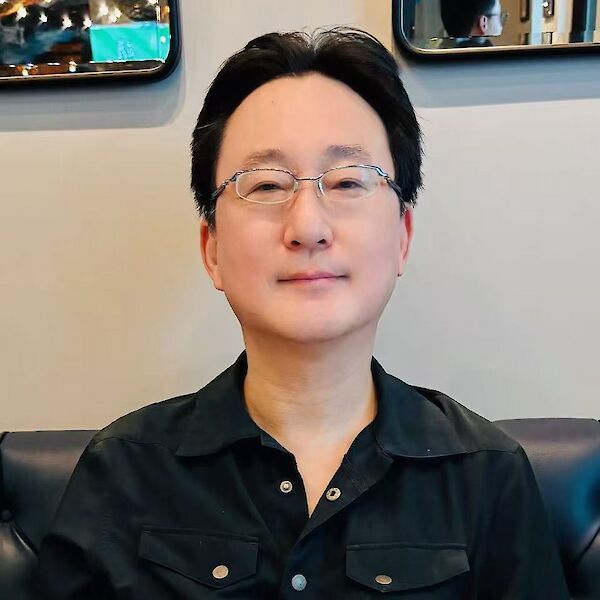
Louis Huang
About
Policy commitments
We all want healthy, affordable, and comfortable homes. These policies will help to lower energy bills, cut pollution, and improve indoor air quality.
Our community is already experiencing the harmful impacts of climate change caused by fossil fuel pollution, and taxpayers are on the hook to upgrade and repair critical infrastructure.
The air we breathe, the water we drink, and the food we eat all rely on healthy ecosystems. Nature can also help protect our community from extreme weather by controlling floods, protecting shorelines, and cooling neighbourhoods. Access to nature improves the health and well-being of residents, and supports biodiversity.
We envision vibrant, walkable communities that protect nature and improve food security.
Connecting neighbourhoods through public transit and active transportation networks will cut pollution, improve public health, and make our communities more affordable (and fun!).
Climate change, increasing populations, and overconsumption threaten our water security. Healthy watersheds and forests are critical to support clean drinking water, stormwater management, climate resilience, and biodiversity for future generations.
Zero waste policies reduce pollution, keep waste out of landfills, build resilient local economies, and safeguard public health by shifting society away from a disposable culture toward a sustainable circular economy.
Climate action
I believe that local agriculture contributes to both food security and climate resilience. Responsible land management can protect natural resources, preserve green space, and reduce environmental impacts.
I support practical climate actions, including conserving water and energy, reducing waste, protecting trees and natural areas, improving public transportation, and strengthening infrastructure against flooding, extreme heat, and other climate-related risks.
My approach is based on practical experience and the belief that environmental responsibility should be part of good community management.
As a candidate for Richmond City Council, I would bring this perspective to municipal climate and environmental decisions. I support measurable and cost-effective actions that protect Richmond’s environment and strengthen community resilience, while respecting housing affordability, local businesses, and responsible use of taxpayers’ money.
Questions for Richmond
Richmond and the Lower Mainland need reliable and affordable energy, but we must also consider long-term climate impacts, air quality, water and environmental risks, and our commitment to reducing greenhouse-gas emissions. The proposed expansion is a major long-term investment in fossil-fuel infrastructure, and I believe those environmental and climate costs require serious consideration.
I support completing a rigorous, independent environmental assessment that fully address the concerns of Indigenous communities, local residents, and affected municipalities before any final approval.
My priority is to strengthen Richmond’s energy security through conservation, efficiency, renewable energy, storage, resilient infrastructure, and other lower-carbon solutions rather than increasing our long-term dependence on fossil fuels.
I would also support continued investment in reliable energy infrastructure necessary for public safety and community resilience, but such investment should be consistent with Richmond’s environmental responsibilities and long-term interests.
Active transportation should be an important part of Richmond’s transportation network, particularly for short trips and connections to schools, transit, shopping, parks, and community services. I support investing in well-designed sidewalks, protected cycling routes, accessible crossings, lighting, and connections between existing pathways.
At the same time, transportation planning should recognize the needs of seniors, people with disabilities, families, businesses, transit users, cyclists, pedestrians, and drivers. Investments should be based on safety, demonstrated community needs, accessibility, and effective use of public funds.
My goal is a balanced transportation system that gives residents more safe and practical choices while maintaining reasonable access for vehicles and local businesses.
New buildings should become more energy-efficient and reduce greenhouse-gas emissions over their lifetime. However, implementation should carefully consider housing affordability, construction costs, energy reliability, and the ability of builders and trades to meet the requirements.
I would support a clear and predictable implementation timeline, consultation with the building industry, and appropriate incentives or transition measures where needed. The goal should be to achieve meaningful emissions reductions without unnecessarily increasing the cost of housing or placing excessive burdens on residents and businesses.
Richmond should pursue zero-carbon buildings through practical standards, innovation, incentives, and long-term planning while ensuring that climate policies remain achievable and financially responsible.
District energy can reduce energy consumption and emissions while providing efficient services to new developments and existing neighborhoods. Expansion should be guided by clear evidence of environmental and economic benefits, sufficient system capacity, and long-term reliability.
I would support working with developers, utilities, businesses, and senior levels of government to expand district energy where appropriate. Projects should be financially sustainable and designed to avoid placing unnecessary costs on residents, businesses, or taxpayers.
Richmond should continue building on successful local energy initiatives while evaluating each expansion based on its environmental benefits, affordability, reliability, and long-term value to the community.
First, I would encourage partnerships among the City, local businesses, trades, colleges, universities, and workforce organizations to expand training in areas such as energy-efficient construction, heat pumps, building retrofits, renewable energy, EV infrastructure, sustainable transportation, water management, and environmental technologies.
Second, I would support apprenticeships, internships, and practical skills programs that help young people, newcomers, and workers transitioning to new industries gain qualifications and experience. Training should be connected to actual local employment opportunities rather than education without a clear pathway to a job.
Third, I would encourage Richmond to attract and support businesses developing clean technologies and environmental services, while helping existing businesses adopt energy-efficient and low-carbon practices. Where appropriate, municipal procurement and infrastructure projects can help create demand for local green skills and services.
My goal is to ensure that Richmond's climate investments strengthen our local economy, create meaningful career opportunities, and give residents the skills needed for the jobs of the future.
Compiled & presented by

Vote4Tomorrow is an independent voter guide to evaluate where local candidates stand on climate and environmental policies that will affect our future.