
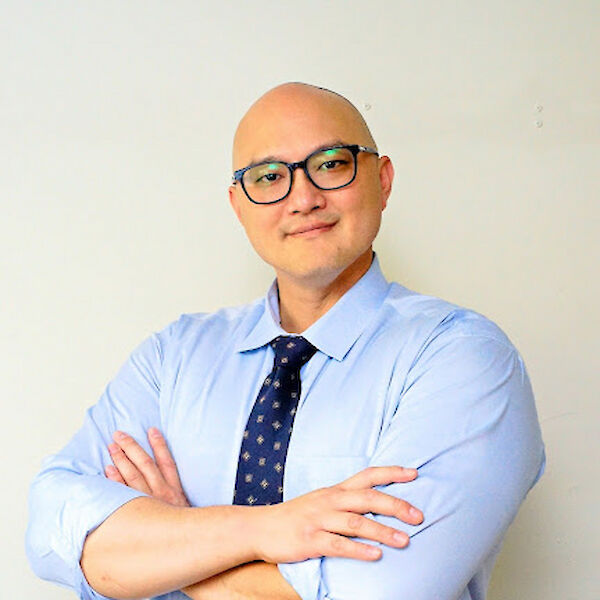
Henry Yao
About
Policy commitments
We all want healthy, affordable, and comfortable homes. These policies will help to lower energy bills, cut pollution, and improve indoor air quality.
Our community is already experiencing the harmful impacts of climate change caused by fossil fuel pollution, and taxpayers are on the hook to upgrade and repair critical infrastructure.
The air we breathe, the water we drink, and the food we eat all rely on healthy ecosystems. Nature can also help protect our community from extreme weather by controlling floods, protecting shorelines, and cooling neighbourhoods. Access to nature improves the health and well-being of residents, and supports biodiversity.
We envision vibrant, walkable communities that protect nature and improve food security.
Connecting neighbourhoods through public transit and active transportation networks will cut pollution, improve public health, and make our communities more affordable (and fun!).
Climate change, increasing populations, and overconsumption threaten our water security. Healthy watersheds and forests are critical to support clean drinking water, stormwater management, climate resilience, and biodiversity for future generations.
Zero waste policies reduce pollution, keep waste out of landfills, build resilient local economies, and safeguard public health by shifting society away from a disposable culture toward a sustainable circular economy.
Climate action
I secured $1 million for the Richmond Food Hub to support local food security. I also hosted invasive-species removal and community cleanup events, worked with a local conservation society to plant an urban forest, and collaborated with KPU Farm School to advance local agriculture.
In the Legislature, I consistently championed food and water security. These experiences strengthened my commitment to protecting Richmond’s natural environment, supporting local food production, and building a more resilient future for generations to come.
Questions for Richmond
I remain uncomfortable with expanding fossil-fuel infrastructure. At the same time, our province cannot rely indefinitely on deficit spending or disregard the jobs and revenues that currently support communities and public services.
We need a responsible transition plan—not an abrupt shift that severely harms our economy. Any expansion must meet strong environmental standards, demonstrate clear public benefits, and contribute to emissions reduction.
Meanwhile, the Province must diversify our economy, invest in innovation, and accelerate the development of renewable energy.
My position is therefore neither unconditional support nor absolute opposition. I support a practical and accountable transition that protects our environment, strengthens our economic sovereignty, and gives workers, communities, and industries a realistic path toward a cleaner economy.
Yes, I would prioritize safe, accessible, and reliable public transit and active transportation infrastructure. Richmond residents should have practical alternatives to driving, whether they are walking, cycling, using mobility devices, or taking transit.
Better-connected neighbourhoods can improve residents’ overall well-being, reduce household expenses, and help people participate more fully in community life. My goal is to build a transportation network that improves affordability, accessibility, safety, and connectivity for everyone.
Wildfires, heat domes, droughts, floods, air pollution, and habitat loss demonstrate the growing environmental pressures we face. Richmond must focus on both climate mitigation and adaptation—reducing the harm we contribute while preparing our infrastructure, emergency services, and communities for increasingly severe weather.
Reducing emissions can help limit future damage and give society more time to adapt. At the same time, we must strengthen flood protection, cooling and clean-air supports, emergency preparedness, food and water security, and protections for vulnerable residents.
Climate change is making conditions more extreme and less predictable. Our response must be practical, timely, and equitable. The Zero Carbon Step Code is one tool that can help Richmond reduce emissions from new buildings while moving toward a safer, healthier, and more resilient future.
I want greater emphasis on food and water security, tree planting, accessible cooling and warming centres, and alternative energy options. We must also strengthen community preparedness for extreme temperature fluctuations and service disruptions.
Success should not be measured by awards or technical compliance alone. If our policies become box-checking exercises, we risk practising tokenistic environmentalism while overlooking what Richmond actually needs. Every investment should be assessed by whether it reduces emissions, strengthens resilience, protects vulnerable residents, and delivers practical benefits to the community.
Richmond should be proud of its achievements, but recognition must motivate us to do more—not become a substitute for meaningful action.
The City should also explore local grants that help non-profits hire Richmond residents for jobs that restore ecosystems, strengthen climate resilience, and advance environmental goals.
By facilitating collaboration among the private sector, non-profits, and the City, we can create local jobs that strengthen Richmond’s economy while investing in our long-term future. Economic development and environmental responsibility should reinforce each other.
Through practical support, efficient processes, and strong partnerships, Richmond can attract new ideas, develop local talent, and become a leader in sustainable innovation and community resilience.
Campaign contributions
Public records from Elections BC — 5 contributions totalling $22,583.10.
2014 GENERAL LOCAL ELECTIONS
5 contributions · $22,583.10
| Contributor | Date | Amount | Office | Jurisdiction |
|---|---|---|---|---|
| HENRY YAO | Nov 22, 2014 | $17,493.10 | COUNCILLOR | RICHMOND |
| GRANT YAO | Oct 22, 2014 | $2,000.00 | COUNCILLOR | RICHMOND |
| JU YAO | Oct 22, 2014 | $1,090.00 | COUNCILLOR | RICHMOND |
| KIRBY YAO | Oct 22, 2014 | $1,000.00 | COUNCILLOR | RICHMOND |
| KIRBY YAO | Nov 10, 2014 | $1,000.00 | COUNCILLOR | RICHMOND |
Compiled & presented by

Vote4Tomorrow is an independent voter guide to evaluate where local candidates stand on climate and environmental policies that will affect our future.