
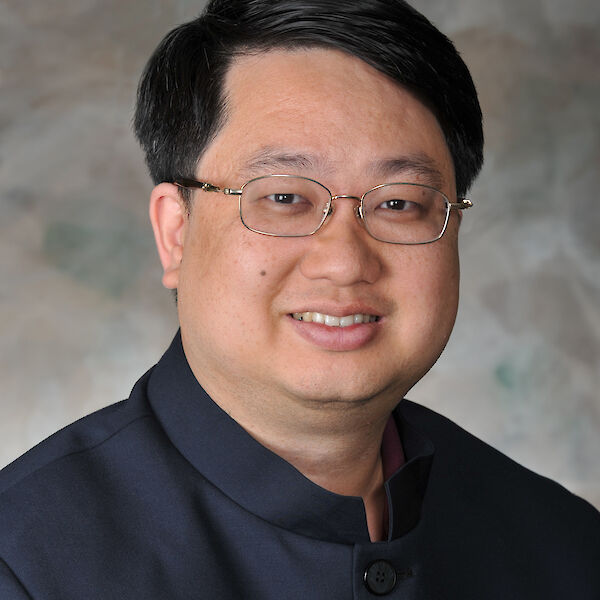
Eric Yung
About
Policy commitments
We all want healthy, affordable, and comfortable homes. These policies will help to lower energy bills, cut pollution, and improve indoor air quality.
Our community is already experiencing the harmful impacts of climate change caused by fossil fuel pollution, and taxpayers are on the hook to upgrade and repair critical infrastructure.
The air we breathe, the water we drink, and the food we eat all rely on healthy ecosystems. Nature can also help protect our community from extreme weather by controlling floods, protecting shorelines, and cooling neighbourhoods. Access to nature improves the health and well-being of residents, and supports biodiversity.
We envision vibrant, walkable communities that protect nature and improve food security.
Connecting neighbourhoods through public transit and active transportation networks will cut pollution, improve public health, and make our communities more affordable (and fun!).
Climate change, increasing populations, and overconsumption threaten our water security. Healthy watersheds and forests are critical to support clean drinking water, stormwater management, climate resilience, and biodiversity for future generations.
Zero waste policies reduce pollution, keep waste out of landfills, build resilient local economies, and safeguard public health by shifting society away from a disposable culture toward a sustainable circular economy.
Climate action
I also advocated for stronger community-based environmental learning. In 2014, I explored opportunities for the Richmond School District to partner with the City of Richmond and Kwantlen Polytechnic University on agricultural and environmental education at the Garden City Lands.
I have also taken steps to reduce my own household carbon footprint. Last year, we replaced one of our family vehicles with a hybrid, reducing our fuel consumption and transportation-related emissions.
These experiences have reinforced my belief that effective climate action is often practical and local: improving public infrastructure, reducing energy use, supporting environmental education, and making more sustainable choices in our own lives.
Questions for Richmond
Tilbury has been part of Richmond’s industrial landscape for many years, and I recognize the economic role it plays through employment, investment, and supporting energy and marine transportation infrastructure. I also recognize that residents have legitimate concerns about greenhouse-gas emissions, safety, and the environmental impacts of major industrial development along the Fraser River.
For me, support for the expansion does not mean that those concerns should be minimized. FortisBC and the relevant regulatory authorities should be expected to demonstrate that the project meets high standards for safety, emissions reduction, environmental protection, and emergency preparedness, with appropriate monitoring and transparency throughout its operation.
I believe Richmond can support responsible economic development while continuing to pursue its climate objectives. Where new technologies and operating practices can reduce the environmental footprint of LNG production and transportation, they should be incorporated wherever practical.
On balance, I support the Tilbury expansion, subject to strong regulatory oversight and continued efforts to minimize its environmental and community impacts.
Richmond has already built a strong foundation through its greenways, multi-use pathways and cycling network, and I believe we should continue expanding those connections so that more residents can safely walk or cycle between neighbourhoods, schools, parks, community centres and commercial areas. The City’s updated Cycling Network Plan specifically calls for expanding safe routes to school, improving neighbourhood cycling connections and developing infrastructure that is comfortable for people of all ages and abilities.
My experience as a Richmond School Trustee also reinforced the importance of active transportation around schools. Safe walking and cycling routes benefit students and families while reducing traffic congestion around school sites and lowering transportation-related emissions. The School District’s environmental stewardship work has also recognized walking, cycling, bike infrastructure and sustainable transportation as important components of reducing environmental impact.
As Richmond continues to grow, I support completing gaps in the existing network, improving safety at intersections and crossings, and continuing the development of greenways and protected multi-use routes. Active transportation should be a practical, safe and convenient option for residents—not simply a recreational one.
Richmond is already a leader in requiring higher energy-efficiency and emissions standards for new buildings, and I support continuing that progress. Moving toward the higher levels of the Zero Carbon Step Code can significantly reduce greenhouse-gas emissions from space heating and hot water and help ensure that buildings constructed today remain efficient and lower-emission for decades.
At the same time, acceleration should be thoughtful and predictable. Before advancing implementation timelines, I believe the City should consider the impact on housing affordability and construction costs, ensure builders have adequate time and technical support to adapt, and work with BC Hydro to ensure that electrical capacity and infrastructure keep pace with increasing electrification.
Climate action and housing affordability should not be treated as competing objectives. Good policy should pursue both. Where higher Zero Carbon Step Code requirements can be introduced sooner without creating unreasonable costs or barriers to new housing, I would support doing so.
My approach would therefore be to continue moving Richmond toward zero-carbon new buildings, accelerate that transition where practical, and regularly review the timeline as technology, construction practices, costs and energy infrastructure evolve.
Richmond has demonstrated that district energy can provide reliable heating and cooling while significantly reducing greenhouse-gas emissions. The Alexandra system is an innovative local example of using ground-source energy and heat pumps to serve homes, businesses and public facilities, and Richmond’s district-energy program has received national and international recognition.
However, I also believe expansion must be financially and operationally responsible. District energy requires significant upfront capital investment, complex infrastructure planning, and close coordination with new development. Projects should therefore be evaluated carefully for lifecycle costs, expected emissions reductions, customer impacts, construction risks and opportunities to obtain provincial, federal or private-sector funding.
I support expanding district energy where the business case and environmental benefits are strong, while ensuring that costs and implementation risks are well managed. We should also continue exploring technologies such as geoexchange, sewer heat recovery and other locally available low-carbon energy sources.
Richmond should continue to be innovative in this area, but innovation must be accompanied by sound financial planning, transparency and realistic implementation schedules.
As Richmond expands district energy, electrification, active transportation, energy-efficient buildings and other low-carbon infrastructure, we should work with employers, unions, post-secondary institutions and training providers to ensure Richmond residents can access the jobs those investments create.
I would support partnerships with Kwantlen Polytechnic University, Richmond schools, industry associations and local businesses to expand training in areas such as heat-pump installation, building energy systems, electrical work, EV infrastructure, energy-efficient construction and environmental technology. Co-op placements, apprenticeships and work-integrated learning can help young people and workers changing careers gain practical experience.
The City should also use its procurement and economic-development policies to encourage local hiring, apprenticeships and workforce development where appropriate, particularly on major infrastructure and sustainability projects.
I would also support helping existing Richmond businesses adapt to the low-carbon economy, rather than focusing only on attracting new companies.
My goal would be to connect Richmond’s climate investments with real employment pathways so that the transition to a lower-carbon economy creates skilled, durable and locally accessible jobs.
Compiled & presented by

Vote4Tomorrow is an independent voter guide to evaluate where local candidates stand on climate and environmental policies that will affect our future.