
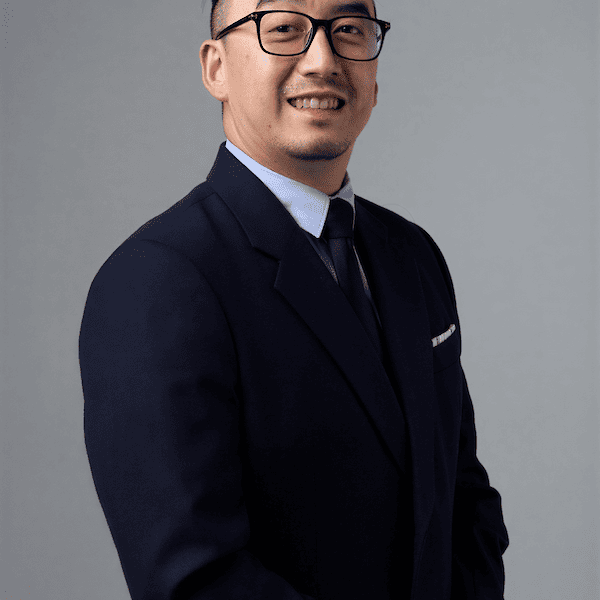
Daniel Tsang
About
Policy commitments
We all want healthy, affordable, and comfortable homes. These policies will help to lower energy bills, cut pollution, and improve indoor air quality.
Our community is already experiencing the harmful impacts of climate change caused by fossil fuel pollution, and taxpayers are on the hook to upgrade and repair critical infrastructure.
The air we breathe, the water we drink, and the food we eat all rely on healthy ecosystems. Nature can also help protect our community from extreme weather by controlling floods, protecting shorelines, and cooling neighbourhoods. Access to nature improves the health and well-being of residents, and supports biodiversity.
We envision vibrant, walkable communities that protect nature and improve food security.
Connecting neighbourhoods through public transit and active transportation networks will cut pollution, improve public health, and make our communities more affordable (and fun!).
Climate change, increasing populations, and overconsumption threaten our water security. Healthy watersheds and forests are critical to support clean drinking water, stormwater management, climate resilience, and biodiversity for future generations.
Zero waste policies reduce pollution, keep waste out of landfills, build resilient local economies, and safeguard public health by shifting society away from a disposable culture toward a sustainable circular economy.
Climate action
Beyond the green waste initiative, my time on the strata council gave me a firsthand understanding of how sustainability policy actually gets implemented at the ground level — the logistics, the resident buy-in, and the persistence it takes to make lasting change stick in a multi-unit residential community. That experience taught me that climate action isn't just about big announcements; it's about consistent, practical follow-through at the neighbourhood level.
I bring that same mindset to how I think about Richmond's broader climate goals: real progress comes from programs that are easy for residents to participate in, clearly communicated, and consistently supported over time. If elected, I'd apply this same hands-on approach to advancing Richmond's climate initiatives — pairing ambitious goals with the practical, resident-focused execution needed to actually achieve them.
Questions for Richmond
The Fraser River is one of the most sensitive and biodiverse ecosystems in the country, supporting salmon runs, sturgeon, and the endangered Southern Resident Killer Whale population. Tripling marine traffic along the river, siting LNG storage directly across from a jet-fuel terminal, and operating in an area known for seismic and liquefaction risk all raise real concerns about the consequences of an accident or spill. On the balance of probability, I don't believe the modest economic upside justifies that level of risk to the Fraser's ecology and biodiversity — an ecosystem that, once damaged, may not be recoverable.
That said, I want to be transparent that my position is based on publicly available information. If new information were presented — on actual risk mitigation, spill response capacity, or a clearer case for the facility's role in market diversification — I would want to revisit my position with an open mind. Good governance means weighing evidence, not defending a fixed stance, and I'd want any decision on projects like this to be grounded in the best available science and community input.
For walking, I'd prioritize well-maintained, accessible roadways and sidewalks, particularly for seniors — proper lighting, curb cuts, clear crossings, and shorter crossing distances at busy intersections. "Rolling" infrastructure — covering wheelchairs, mobility scooters, and other wheeled mobility aids — needs to be built into these same standards, not treated as an afterthought, so seniors and people with disabilities aren't excluded from getting around safely.
For cycling, safety means genuinely separated infrastructure — protected bike lanes, not just painted lines — kept apart from higher-speed commercial and business transport traffic, which currently creates real conflict points across the city. Cyclists and truck/delivery traffic shouldn't be forced to share the same lane space.
The bigger issue I'd focus on is coordination: too often, active transportation planning, road design, and commercial traffic routing happen separately, creating infrastructure that works against itself instead of together. I'd push for better cross-departmental planning so that walking, rolling, and cycling networks are designed to connect seamlessly — to transit hubs, schools, parks, and commercial areas — rather than as isolated segments.
For single-detached and duplex homes, I share some of the concerns Council has already flagged — the cost of full electrification, the role of natural gas for space and water heating, and the impact on housing affordability for individual homeowners and small builders. I'd want to see a realistic, well-supported timeline here rather than an aggressive mandate that adds cost pressure without adequate transition support.
For condos and larger Part 3 buildings, though, I think it makes sense to move faster. These are typically built by larger developers with more capacity to adapt, and the long-term operating savings and health benefits of electrified systems scale well across multi-unit buildings. Getting condos to the highest Zero Carbon tier sooner is both achievable and smart policy — it delivers meaningful emissions reductions without placing an outsized burden on individual homeowners.
In short: accelerate where the industry can reasonably absorb it, and take a more measured approach where it directly affects affordability for individual families.
These systems work: ADEU alone reduces hundreds of tonnes of GHG emissions annually by using ground-source and sewer-heat recovery instead of conventional heating and cooling. That's a made-in-Richmond solution that lowers emissions while also providing more stable, often more affordable energy costs for residents connected to it.
The City, through Lulu Island Energy Company, has already identified the opportunity to grow these systems many times over — from roughly 3.6 million square feet currently served to a potential 50 million square feet city-wide over time. I'd support Council prioritizing that expansion, particularly into new higher-density developments where district energy is most cost-effective to install from the outset, rather than retrofitting later.
I'd also want to ensure expansion is financially sound for the City and fair for ratepayers, since Richmond regulates and sets rates for these utilities. Growth should be paired with transparent cost oversight so it remains a source of pride, not financial strain. Overall, this is exactly the kind of practical, proven climate infrastructure I want to keep building on.
One area I'd especially like to champion: affordable retrofit products designed for seniors living in single-detached and duplex homes. Many of these residents want lower electric bills but can't absorb the cost of full electrification or major renovations. If KPU and local businesses can develop simpler, lower-cost retrofit solutions — modular heat pump upgrades, insulation kits, smart thermostats — tailored to older housing stock and senior budgets, that's a product Richmond genuinely needs, and one many other communities across B.C. and Canada need too.
The City's role would be to help get these products out of the lab and into the market: connecting innovators with early adopters in Richmond, supporting pilot programs in existing neighbourhoods, and using City communications to promote homegrown solutions to residents.
If we get this right, Richmond isn't just training green workers — we're incubating green products, proving them at home, and then helping local businesses scale that success provincially and nationally. That's a stronger legacy than jobs alone: a Richmond-made industry that helps aging homeowners everywhere lower their bills.
Compiled & presented by

Vote4Tomorrow is an independent voter guide to evaluate where local candidates stand on climate and environmental policies that will affect our future.