
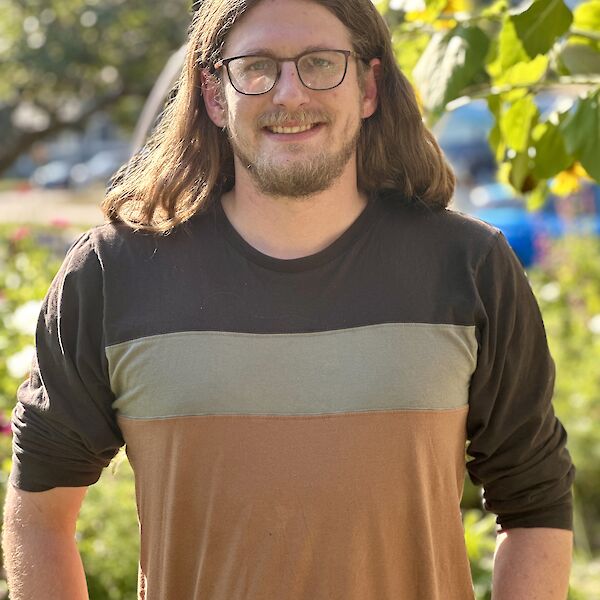
Brian Trafford

Brian Trafford

Council · Revelstoke
Columbia Park 2 yrs

About

I grew up in Ottawa and moved to BC in 2018. I have a passion for the outdoors and our environment. I want to provide better inter-neighbourhood connections that everyone in our community can benefit from all year long.

Policy commitments

Buildings

We all want healthy, affordable, and comfortable homes. These policies will help to lower energy bills, cut pollution, and improve indoor air quality.

✓ Support electrification of new buildings. Supportive
✓ Incentivize electric heat pumps and air filtration systems. Supportive
✓ Incentivize renewable energy, battery storage, and smart-grid technologies in new and existing buildings to improve energy security. Supportive
✓ Scale up energy retrofits for existing homes, businesses, and public buildings. Supportive
✓ Implement a 'right to cool' bylaw to protect tenants during extreme heat events. Supportive
Climate Justice

Our community is already experiencing the harmful impacts of climate change caused by fossil fuel pollution, and taxpayers are on the hook to upgrade and repair critical infrastructure.

✓ Endorse the fossil fuel treaty and commit to phase out fossil fuels. Supportive
✓ Enact a moratorium on AI data centres to protect our energy and water resources. Supportive
✓ Collaborate with Indigenous peoples as partners in the stewardship of the land, air, and water, and work towards reconciliation. Supportive
Ecosystems

The air we breathe, the water we drink, and the food we eat all rely on healthy ecosystems. Nature can also help protect our community from extreme weather by controlling floods, protecting shorelines, and cooling neighbourhoods. Access to nature improves the health and well-being of residents, and supports biodiversity.

✓ Protect and restore ecosystems, which are essential to human survival, health, and economic well-being. Supportive
✓ Expand and protect tree canopy, parks, and green infrastructure to cool neighbourhoods, clean air, and manage stormwater. Supportive
✓ Prioritize native tree planting in all areas, especially those with low tree cover, higher population densities, and more vulnerable residents. Supportive
✓ Create connected urban greenways for people and wildlife. Supportive
Land Use

We envision vibrant, walkable communities that protect nature and improve food security.

✓ Build affordable homes near jobs, schools, shops, and transit. Supportive
✓ Upgrade critical infrastructure for heat, fire, flood, and storm resilience. Supportive
✓ Increase food security by supporting local agriculture and community gardens. Supportive
Transport

Connecting neighbourhoods through public transit and active transportation networks will cut pollution, improve public health, and make our communities more affordable (and fun!).

✓ Deliver reliable, frequent, affordable local transit. Supportive
✓ Advocate to improve regional public transit between communities. Supportive
✓ Build bike and roll networks that are safe for everyone. Supportive
Watersheds

Climate change, increasing populations, and overconsumption threaten our water security. Healthy watersheds and forests are critical to support clean drinking water, stormwater management, climate resilience, and biodiversity for future generations.

✓ Implement water conservation plans and educate the public to conserve drinking water. Supportive
✓ Protect and restore watersheds as vital municipal infrastructure. Supportive
✓ Develop and implement a water security plan. Supportive
Zero Waste

Zero waste policies reduce pollution, keep waste out of landfills, build resilient local economies, and safeguard public health by shifting society away from a disposable culture toward a sustainable circular economy.

✓ Implement zero waste bylaws to divert organic waste and recyclables from disposal. Supportive
✓ Support the development of a circular economy to eliminate waste and improve resilience. Supportive
~ Implement bylaws to eliminate waste from new buildings, renovation, and demolition projects and to use existing buildings as efficiently as possible. Neutral
✓ Supportive
~ Neutral
× Opposed
– No response

Climate action

How have you contributed to climate action in your community through advocacy, past work, advisory committees, volunteer work, and/or reducing your personal carbon footprint?
Our public transportation business uses primarily electric vehicles. We have saved approximately 50 metric tons of CO2 emissions while safely transporting over 22,000 people. Personally we have switched to a full heat pump system in our home to replace out oil furnace. One of platform items is to require new built gas stations to also include a minimum of two 250kw EV fast chargers and champion the implementation of a city fast charging station that the city can profit from and the community can benefit from.

Questions for Revelstoke

What actions will you take to better prepare the City of Revelstoke to mitigate, adapt and respond to the impacts of climate change and biodiversity loss, including in areas of food security, land-use, water consumption, and wildfires?
I will advocate for better fuel mitigation measures around areas of Urban/woodland interface. Continue to support efforts to eliminate invasive plants and encourage the usage of local flowers and fauna to be planted in areas of green space. Continue to support FireSmart related initiatives and committees
What will be your approach to working with and empowering governance committees, including the Environmental Advisory Committee, and to improving community involvement in decision-making for the Revelstoke Community Forest Corporation?
Taking my time and listening to all parties concerned. Taking into special consideration the environmental advisory committee, potential for nature trails and or other future preservation. Topics like these need public consultation as it is something the entire community can benefit from.
How can the City of Revelstoke better support reconciliation and collaborate with Indigenous Nations?
We can support and/or propose a multi community program to help transport ocean run salmon past the dams that do not have fish ladders.
What role should the City of Revelstoke play in supporting a resilient local food system?
The city of revelstoke should continue to support for summer and winter farmers markets so locals can benefit from the work done by local food producers. This includes providing a discounted rate for the winter farmers market at the community centre
Bears are closely tied to Revelstoke’s identity and tourism messaging. What responsibility does the City have to ensure that this identity is backed by meaningful action and investment in human–wildlife coexistence?
The city of revelstoke should consider closing the bridge creek trail between powerhouse road and the greenbelt during the salmon spawn to reduce human/bear conflicts. It should also help fund revelstoke bear aware so they can afford more signs. Messaging is important as we all play a role in a safe coexistence.
How will you ensure that Revelstoke’s tourism growth is sustainable, reflective of community priorities, and balances the need for housing that is affordable and climate resilient?
We have taken great strides in this area but we can still do more. The densification of low density areas helps with this. But it cannot be without a greater overall plan. A meaningful interconnected 4 season multi use path network that connects all areas of town including Johnson heights is critical to the sustainability part of this puzzle. Accountability for the companies to negatively affect our lifestyle infrastructure is also important.

Compiled & presented by

This questionnaire is being mediated by volunteers from the community of Revelstoke with support from the Revelstoke Climate Coalition and consultation from Wildsight Revelstoke, Revelstoke Local Food Initiative, Revelstoke Bear Aware Society, Revelstoke Rainforest Circle, Turtle Conservation Revelstoke and Protect our Winters Canada.

You can contact members of the organizing group through revelstokeclimatecoalition@gmail.com

Vote4Tomorrow is an independent voter guide to evaluate where local candidates stand on climate and environmental policies that will affect our future.

© 2026 Vote4Tomorrow