
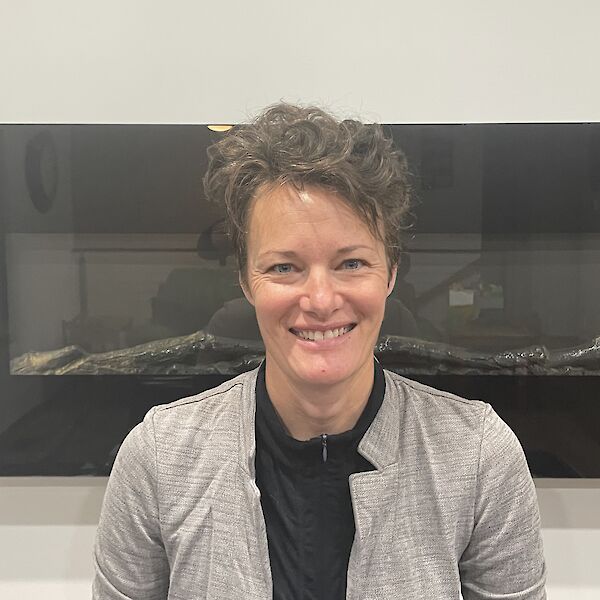
Kandis Lipsett

Kandis Lipsett

Director · Regional District of Okanagan-Similkameen
Area D-Skaha Estates, Lakeshore Highlands, Heritage Hills 14 yrs

About

As a scientist, emergency professional, entrepreneur, mother and my experiences, I have developed a deep understanding of the importance of our natural resources, infrastructure and the impacts we have as humans on the earth.

Policy commitments

Buildings

We all want healthy, affordable, and comfortable homes. These policies will help to lower energy bills, cut pollution, and improve indoor air quality.

✓ Support electrification of new buildings. Supportive
✓ Incentivize renewable energy, battery storage, and smart-grid technologies in new and existing buildings to improve energy security. Supportive
✓ Scale up energy retrofits for existing homes, businesses, and public buildings. Supportive
Ecosystems

The air we breathe, the water we drink, and the food we eat all rely on healthy ecosystems. Nature can also help protect our community from extreme weather by controlling floods, protecting shorelines, and cooling neighbourhoods. Access to nature improves the health and well-being of residents, and supports biodiversity.

✓ Protect and restore ecosystems, which are essential to human survival, health, and economic well-being. Supportive
✓ Expand and protect tree canopy, parks, and green infrastructure to cool neighbourhoods, clean air, and manage stormwater. Supportive
Land Use

We envision vibrant, walkable communities that protect nature and improve food security.

✓ Build affordable homes near jobs, schools, shops, and transit. Supportive
✓ Upgrade critical infrastructure for heat, fire, flood, and storm resilience. Supportive
✓ Increase food security by supporting local agriculture and community gardens. Supportive
Transport

Connecting neighbourhoods through public transit and active transportation networks will cut pollution, improve public health, and make our communities more affordable (and fun!).

✓ Advocate to improve regional public transit between communities. Supportive
~ Build bike and roll networks that are safe for everyone. Neutral
✓ Expand EV charging infrastructure. Supportive
Watersheds

Climate change, increasing populations, and overconsumption threaten our water security. Healthy watersheds and forests are critical to support clean drinking water, stormwater management, climate resilience, and biodiversity for future generations.

✓ Implement water conservation plans and educate the public to conserve drinking water. Supportive
✓ Protect and restore watersheds as vital municipal infrastructure. Supportive
Zero Waste

Zero waste policies reduce pollution, keep waste out of landfills, build resilient local economies, and safeguard public health by shifting society away from a disposable culture toward a sustainable circular economy.

✓ Implement zero waste bylaws to divert organic waste and recyclables from disposal. Supportive
✓ Support the development of a circular economy to eliminate waste and improve resilience. Supportive
✓ Implement bylaws to eliminate waste from new buildings, renovation, and demolition projects and to use existing buildings as efficiently as possible. Supportive
✓ Supportive
~ Neutral
× Opposed
– No response

Climate action

How have you contributed to climate action in your community through advocacy, past work, advisory committees, volunteer work, and/or reducing your personal carbon footprint?
I completed a deep energy retrofit of my residence and installed solar energy systems to improve energy efficiency and reduce my environmental footprint. During the renovation, I prioritized the reuse, renewal, and recycling of demolition materials to minimize construction waste. I also actively support sustainable consumption practices, including thrifting and household recycling, to reduce waste and encourage the responsible use of resources. I drive an electric car or ride an e-bike as my main commuter vehicles. I purchase goods locally and that are handcrafted to reduce transportation emissions. I enjoy outdoor activities that rely on human power like hiking, fishing, cycling, walking and exploring.

Questions for Regional District of Okanagan-Similkameen

Transportation is the largest source of climate pollution in the RDOS. What specific policies do you most support and will work for to address transportation emissions, including improved public transit, and safe walking and biking?
I support electric vehicle charging stations, grants for charging at residential homes and public transportation.
How will you approach land use and housing policies to ensure that people of all income levels—including low-income residents—have access to safe, affordable homes that are also resilient to a changing climate?
Encourage multi family and multi generational building strategy’s. High density living.
AI data centres use a lot of energy and water. What will be your approach if an AI data centre is proposed for your Area?
Look for abandoned or decommissioned mill sites that have existing infrastructure that can be repurposed.
The RDOS is vulnerable to many climate-related risks (e.g. wildfire, drought, smoke, flooding, heat, local supply chains). How will you address these risks to support our community’s resilience?
Through preparedness, planning, and mitigation of risks to reduce the occurrence. I would also promote water smart practices to enhance the capacity of water infrastructure.
If you wish to clarify or add information you may use this space (250 word limit).
I want to make areas D an accessible, affordable, safe, resilient place for all to enjoy.

Compiled & presented by

Authorized by First Things First Okanagan, registered sponsor under LECFA, info@firstthingsfirstokanagan.com

Vote4Tomorrow is an independent voter guide to evaluate where local candidates stand on climate and environmental policies that will affect our future.

© 2026 Vote4Tomorrow