
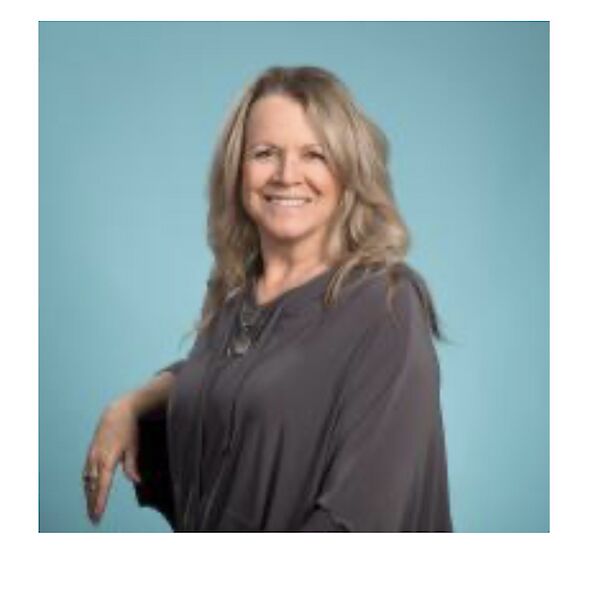
Susan Chew
About
Policy commitments
We all want healthy, affordable, and comfortable homes. These policies will help to lower energy bills, cut pollution, and improve indoor air quality.
Our community is already experiencing the harmful impacts of climate change caused by fossil fuel pollution, and taxpayers are on the hook to upgrade and repair critical infrastructure.
The air we breathe, the water we drink, and the food we eat all rely on healthy ecosystems. Nature can also help protect our community from extreme weather by controlling floods, protecting shorelines, and cooling neighbourhoods. Access to nature improves the health and well-being of residents, and supports biodiversity.
We envision vibrant, walkable communities that protect nature and improve food security.
Connecting neighbourhoods through public transit and active transportation networks will cut pollution, improve public health, and make our communities more affordable (and fun!).
Climate change, increasing populations, and overconsumption threaten our water security. Healthy watersheds and forests are critical to support clean drinking water, stormwater management, climate resilience, and biodiversity for future generations.
Zero waste policies reduce pollution, keep waste out of landfills, build resilient local economies, and safeguard public health by shifting society away from a disposable culture toward a sustainable circular economy.
Climate action
As Chair of the Salmo Valley Youth & Community Centre Board we established a returnable drop-off location, with those funds being used for programs at the Centre. Facility operations, maintenance and repairs are always considered through the lens of environmental sustainability and impact.
As a trustee and Chair of the Board with Kootenay Lake SD8 we established Policy 173 which supports the integration of climate awareness and sustainability from the classroom, to our bus fleet and into our facilities. We believe, advocate and support the district to be leaders in Climate Action - our students, educators, staff and facilities receive support for this work.
This policy provides guidance and alignment to the Intergovernmental Panel on Climate Change (IPCC), United Nations Sustainable Development Goals, United Nations Climate Action Charter (2016) and B.C.'s Climate Action Charter. This policy also aligns with UNDRIP and recognizes the urgent call for joint stewarding with all our neighbours.
Questions for Regional District of Central Kootenay
I believe that in order to have staff identify the feasibility of the various recommendations we would want to determine variable weighting on the priorities that would consider short, medium and long-term goals in order to direct that research time. If the initial survey utilized Thought Exchange or other similar technology this weighting is readily accessible.
It would also be informative and timely to receive the annual 'State of Climate Action' report for an update on progress to the original report. (I wasn't able to access this report or the Climate Action Workbook for those updates.)
I do see numerous policies across the district which support the goals for Climate Action, such as the Better Corporate Building policy which directs the district to consider the climate adaptability of all new and existing buildings. This, and other climate action related policies, provide directors the framework and tools through which to consider their work.
Understanding the utilization rate of this program, along with considerations to expand it's reach, can provide the director with an effective tool to support our residents.
This would involve direct inquiry with whomever is proposing the centre, work with RDCK staff to understand its feasibility and extensive consultation with groups such as yourselves to gain clarity.
I anticipate any such request/decision would result in a detailed and iterative consultation cycle with all those involved. The information I seek would look at not just the immediate needs of a centre, I would want to understand what a 10 or 20 or 50 year project looks like - anticipated demand and growth along with the resultant impacts to our environment, communities and infrastructures.
The RDCK has various bylaws which establish the commissions and committees that are mandated to be informed and provide oversight for land use decisions. It is important for the director to be involved with and connected to the work of these bodies.
I believe these decisions need to be as well informed as possible by the people who live in the environment, study the environment, understand the history of the land and look forward with vision for what we are leaving our successive generations.
These are never just dollar and cents decisions, these are legacy choices we are making for our kids, grandkids and beyond.
I am worried about fire and flood risks and their potential to devastate telecommunications network which are heavily integrated into our community supply chains and emergency response plans.
I am interested in learning more about how we can expand on the good work of the RDCK Emergency Management Plan, with a particular interest in understanding how to strengthen the Emergency Support Services volunteer network.
As I look at our interconnected world, and see how reliant all aspects of our emergency responses are on telecommunications, it strikes me that it will be the people-to-people supports which will make the difference. I have vivid memories of filling and stacking sandbags when Eerie Creek threaten it's banks and saw then how the work of local government in community, people to people, kept everyone safe, informed and supported.
Continued focus and efforts to work with our municipal partners on asset management and planning that incorporates the culture of sustainability and equity will be an important component of the director's work.
The Rural Mobility Community Advisory Committee has the mandate of seeking public input and facilitating discussion at the district level on behalf of improving the regional transportation network. Participation with this committee will be vital for the Area G Director.
Our communities are discussing and considering ideas about: Environmental Stewardship, Digital Safety, Economic Stability and Community Growth
There are folks who hold specific expertise and experience relevant to these key considerations for our communities, and I look forward to learning from them.
In the past 4 years the RDCK and it’s Directors have succeeded in bringing Fire Smart grants to our communities, initiating public transportation to connect us, progressing conservation goals for watershed protection and increasing recreation services. These will continue to inform the focus of the Area G Director along side emergent priorities as identified.
I’m interested in serving as the Area G Director because I care about our communities and our families. I have a history of finding common ground and language to bridge conversations across various groups into action that can be supported by policy and funding.
I bring a passion, and the experience, to offer meaningful contribution in this role
Compiled & presented by
Vote4Tomorrow is an independent voter guide to evaluate where local candidates stand on climate and environmental policies that will affect our future.