
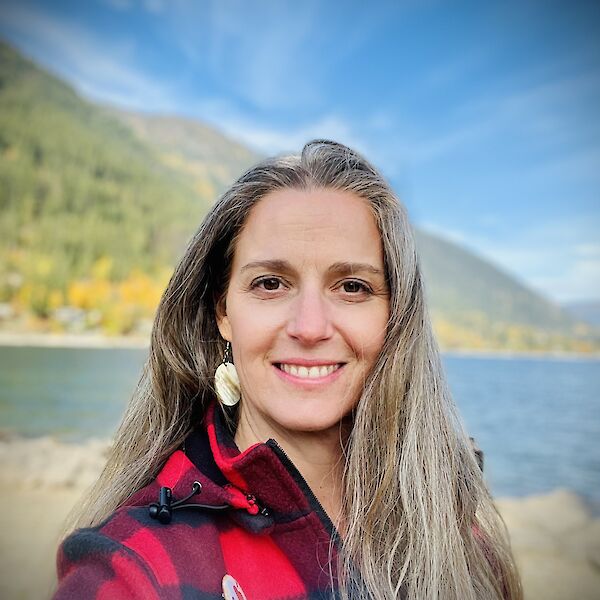
Anna Bundschuh
About
Policy commitments
We all want healthy, affordable, and comfortable homes. These policies will help to lower energy bills, cut pollution, and improve indoor air quality.
Our community is already experiencing the harmful impacts of climate change caused by fossil fuel pollution, and taxpayers are on the hook to upgrade and repair critical infrastructure.
The air we breathe, the water we drink, and the food we eat all rely on healthy ecosystems. Nature can also help protect our community from extreme weather by controlling floods, protecting shorelines, and cooling neighbourhoods. Access to nature improves the health and well-being of residents, and supports biodiversity.
We envision vibrant, walkable communities that protect nature and improve food security.
Connecting neighbourhoods through public transit and active transportation networks will cut pollution, improve public health, and make our communities more affordable (and fun!).
Climate change, increasing populations, and overconsumption threaten our water security. Healthy watersheds and forests are critical to support clean drinking water, stormwater management, climate resilience, and biodiversity for future generations.
Zero waste policies reduce pollution, keep waste out of landfills, build resilient local economies, and safeguard public health by shifting society away from a disposable culture toward a sustainable circular economy.
Climate action
Questions for Regional District of Central Kootenay
I will support climate-smart growth by encouraging stronger regional land-use planning and better coordination of development. Through policy work and planning, we can guide growth responsibly while protecting community values and reducing climate risks.
I will also support local food production by advocating for farmers’ access to irrigation, water storage, and other resources that strengthen food security and resilience. In addition, I will promote stronger development requirements, mapping, and planning measures that identify and protect shorelines, conservation areas, and flood-risk zones.
By working collaboratively with residents, farmers, local governments, and regional partners, I will help turn the Board’s climate priorities into meaningful action that improves transportation, protects our environment, strengthens food security, and prepares our communities for a changing climate.
I will work to improve access to funding for insulation, heat pumps, and energy-efficient windows and doors. These improvements can reduce greenhouse-gas emissions and energy consumption while making homes more comfortable throughout the year—warmer in winter and cooler in summer.
I will also support clear information and local assistance so residents, landlords, and building owners can better understand available rebates, plan upgrades, and access qualified contractors. Improving the energy efficiency of existing homes and buildings can lower monthly utility bills, protect residents from future cost increases, and improve the overall quality and value of our housing.
As Area Director, I will continue listening to local concerns and advocating for practical programs that make energy-saving improvements more affordable, accessible, and beneficial for our entire community.
A moratorium would provide time for meaningful public consultation and independent review of the project’s energy use, water consumption, environmental impacts, emissions, noise, and demands on local infrastructure. It would also allow the Regional District to develop clear policies and safeguards before considering approval.
I would prioritize protecting our community’s limited energy and water resources, ensuring they remain available for residents, farms, businesses, and future generations. Any proposal should demonstrate that it will not compromise affordability, environmental sustainability, or reliable access to essential services.
I would support maintaining habitat corridors and wildlife connectivity so species can move safely between ecosystems. Development should be directed away from environmentally sensitive areas and designed to minimize fragmentation, erosion, and impacts on water quality.
Flood mitigation would also be a key consideration. I would support accurate floodplain mapping, protection of natural drainage areas, restoration of wetlands, and development requirements that reduce runoff and protect communities from flooding. Where possible, natural infrastructure should be used alongside engineered solutions.
I would encourage stronger environmental assessments, clear development guidelines, and meaningful consultation with residents, farmers, Indigenous communities, conservation organizations, and technical experts. By integrating ecosystem protection into land-use planning, we can support responsible growth while safeguarding clean water, biodiversity, agricultural land, and community safety for future generations.
In our region, heavy rainfall and rapid snowmelt can lead to washouts, landslides, and flooding that isolate residents and disrupt access to essential services. Wildfires can damage homes, roads, communications, and electrical systems while creating serious evacuation challenges. Drought and changing weather patterns can also affect water availability and increase pressure on community water systems.
As Area Director, I would support updated risk mapping, regular inspections, preventative maintenance, and investments in resilient infrastructure. This includes improving drainage and culverts, protecting bridges and roads, strengthening emergency routes, maintaining reliable water systems, and supporting wildfire mitigation around communities.
I would also advocate for coordinated planning among local governments, emergency services, utility providers, Indigenous communities, and residents. Preparing before disasters occur is more effective and less costly than rebuilding afterward. Our infrastructure decisions must account for future climate conditions so that communities remain safe, connected, and prepared.
I will advocate for more frequent, dependable bus service, improved connections between communities, and transit schedules that better reflect residents’ needs. I will also support policies that encourage lower-emission vehicles and energy-efficient transportation infrastructure.
Safe walking and biking routes are essential for healthier, more connected communities. I will work with local governments, residents, and transportation partners to identify opportunities for active transportation corridors, including safer shoulders, trails, crossings, and connections between neighbourhoods and community services.
I look forward to meeting with people already working in this area and learning where investments can make the greatest difference. As Area Director, I will advocate for practical transportation solutions that improve mobility, reduce emissions, and make our region safer and more accessible for everyone.
Compiled & presented by

Vote4Tomorrow is an independent voter guide to evaluate where local candidates stand on climate and environmental policies that will affect our future.