
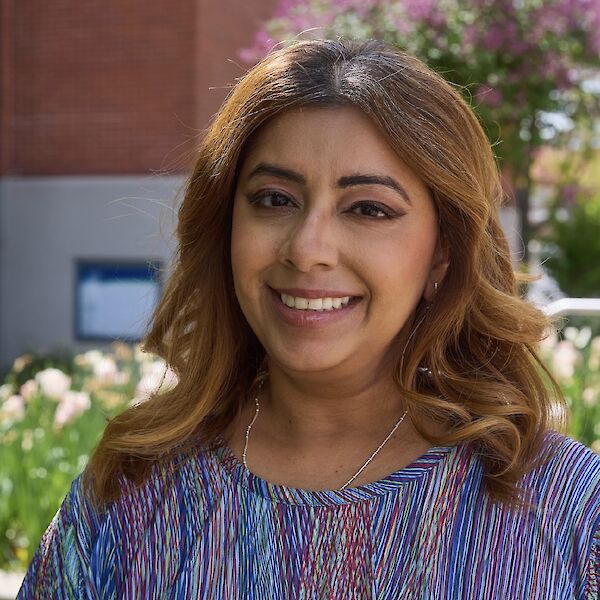
Mithila Karnik
About
Policy commitments
We all want healthy, affordable, and comfortable homes. These policies will help to lower energy bills, cut pollution, and improve indoor air quality.
Our community is already experiencing the harmful impacts of climate change caused by fossil fuel pollution, and taxpayers are on the hook to upgrade and repair critical infrastructure.
The air we breathe, the water we drink, and the food we eat all rely on healthy ecosystems. Nature can also help protect our community from extreme weather by controlling floods, protecting shorelines, and cooling neighbourhoods. Access to nature improves the health and well-being of residents, and supports biodiversity.
We envision vibrant, walkable communities that protect nature and improve food security.
Connecting neighbourhoods through public transit and active transportation networks will cut pollution, improve public health, and make our communities more affordable (and fun!).
Climate action
That said, I see climate action as inseparable from the community infrastructure work I've spent the past 8 years building in PoCo. Strong, walkable downtowns, multilingual access to services and community cohesion all reduce the need for car dependency and make sustainable choices easier for everyone, not just those with the resources to make them a lifestyle. As I look toward what "PoCo Forward" means for our city, I want to bring that same equity lens to climate policy: making sure sustainability initiatives are designed with newcomer, working and multicultural families in mind from the start, not in any sense an afterthought.
I don't claim to have all the answers on climate policy, but I bring a track record of showing up, listening and building practical systems that work for real people. That's the same approach I'd bring to climate action at the council table.
Questions for Port Coquitlam
But infrastructure alone doesn't protect everyone equally. Vulnerable populations, seniors living alone, newcomer families still learning local systems, renters without resources to prepare or recover, are hit hardest by flooding, smoke, and heat events, and they're often the last to hear about warnings or supports. That's why vulnerable population outreach has to be built into our disaster planning from the start: multilingual emergency communication, direct connection with community organizations who already have trusted relationships with these residents, and check-in systems that don't rely on people finding information themselves.
This is exactly what PoCo Forward means to me. A resilient city isn't just one with strong infrastructure, it's one where every resident, regardless of language, income, or how long they've lived here, has a real path to safety and support when climate risks hit. My 18 years building community infrastructure and trust across PoCo's diverse populations is the foundation I'd bring to making that resilience real, not just written into a plan.
I'd also want implementation to include support for builders and residents navigating the transition, especially smaller local developers, so the standard is upheld without creating unnecessary barriers to the housing our city needs.
Climate resilience and housing growth aren't in tension. Done right, they move forward together.
Campaign contributions
Public records from Elections BC — 1 contribution totalling $550.00.
2022 GENERAL LOCAL ELECTIONS
1 contribution · $550.00
| Contributor | Date | Amount | Office | Jurisdiction |
|---|---|---|---|---|
| RAVI SERU | Sep 15, 2022 | $550.00 | COUNCILLOR | PORT COQUITLAM |
Compiled & presented by

Vote4Tomorrow is an independent voter guide to evaluate where local candidates stand on climate and environmental policies that will affect our future.