
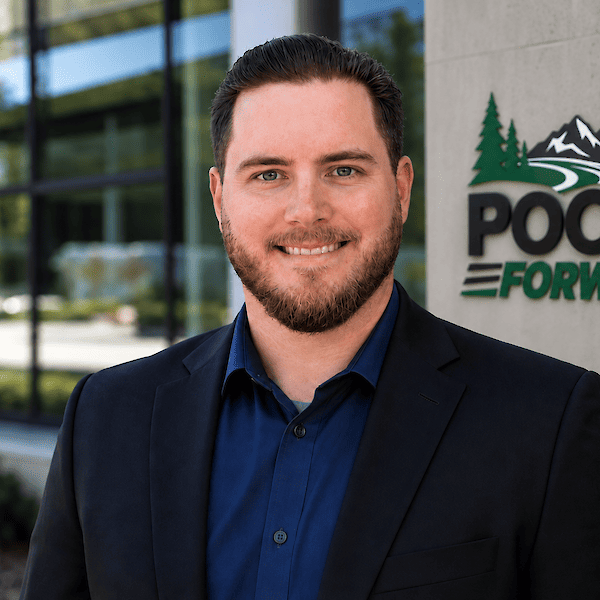
Connor Fesenmaier
About
Policy commitments
We all want healthy, affordable, and comfortable homes. These policies will help to lower energy bills, cut pollution, and improve indoor air quality.
Our community is already experiencing the harmful impacts of climate change caused by fossil fuel pollution, and taxpayers are on the hook to upgrade and repair critical infrastructure.
The air we breathe, the water we drink, and the food we eat all rely on healthy ecosystems. Nature can also help protect our community from extreme weather by controlling floods, protecting shorelines, and cooling neighbourhoods. Access to nature improves the health and well-being of residents, and supports biodiversity.
We envision vibrant, walkable communities that protect nature and improve food security.
Connecting neighbourhoods through public transit and active transportation networks will cut pollution, improve public health, and make our communities more affordable (and fun!).
Climate action
My approach to climate issues is practical and results-oriented. Municipal government should focus on areas where it has meaningful responsibility and can demonstrate measurable outcomes, including resilient infrastructure, transportation planning, energy-efficient development and responsible management of public assets.
As Mayor, I would approach climate policy the same way I approach other public policy: understand the evidence, identify the risks, examine costs and alternatives, and measure whether the action taken is actually producing the intended result.
Questions for Port Coquitlam
My priority would be maintaining and upgrading drainage, dikes, pump stations and other critical infrastructure based on current risk assessments, while ensuring new development does not create additional strain on systems that are already vulnerable. I also support incorporating future rainfall and flood conditions into infrastructure planning rather than waiting for failures before responding.
Extreme heat and poor air quality require a different response, including accessible cooling and clean-air spaces, emergency communication and planning for vulnerable residents.
Most importantly, resilience spending should be prioritized according to risk. Residents should be able to see what risks have been identified, what projects are being funded, what they cost and whether they are actually improving community resilience.
The Province has already established a pathway toward increasingly stringent energy and emissions standards, and municipalities have the ability to move faster. I believe any decision to accelerate those requirements should be supported by evidence, consultation with builders and residents, and a clear assessment of costs and benefits.
If the evidence shows Port Coquitlam can move faster without creating unreasonable costs or barriers to new housing, I would consider doing so. Climate policy should produce measurable environmental results while remaining economically and technically workable.
Compiled & presented by

Vote4Tomorrow is an independent voter guide to evaluate where local candidates stand on climate and environmental policies that will affect our future.