
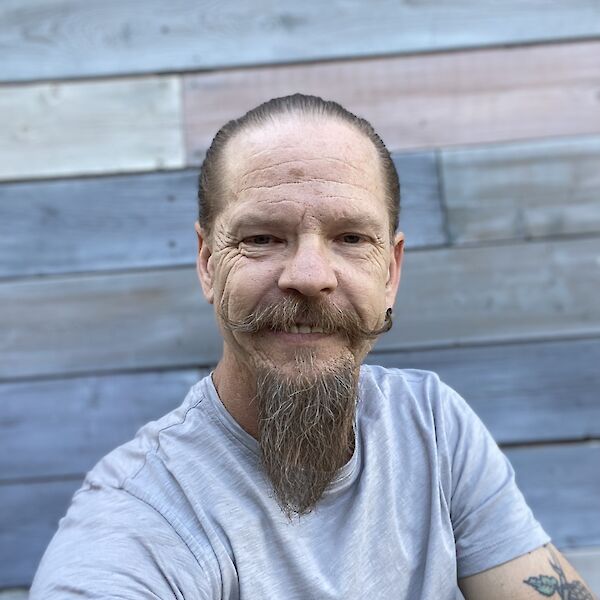
Corey Hounslow
About
Policy commitments
We all want healthy, affordable, and comfortable homes. These policies will help to lower energy bills, cut pollution, and improve indoor air quality.
The air we breathe, the water we drink, and the food we eat all rely on healthy ecosystems. Nature can also help protect our community from extreme weather by controlling floods, protecting shorelines, and cooling neighbourhoods. Access to nature improves the health and well-being of residents, and supports biodiversity.
We envision vibrant, walkable communities that protect nature and improve food security.
Connecting neighbourhoods through public transit and active transportation networks will cut pollution, improve public health, and make our communities more affordable (and fun!).
Climate change, increasing populations, and overconsumption threaten our water security. Healthy watersheds and forests are critical to support clean drinking water, stormwater management, climate resilience, and biodiversity for future generations.
Zero waste policies reduce pollution, keep waste out of landfills, build resilient local economies, and safeguard public health by shifting society away from a disposable culture toward a sustainable circular economy.
Climate action
Waste Reduction and Recycled Materials: We are deeply committed to recycling everything we possibly can. As a clear example, my campaign signs are built from and mounted entirely on recycled materials. Additionally, in my former studio operations, we constantly strived to reduce our disposable footprint to a bare minimum.
Energy Efficiency Upgrades: To lower our personal carbon footprint, we invested in upgrading our home infrastructure by installing high-efficiency heating and hot water systems, significantly cutting our daily energy consumption.
Honest Community Advocacy: Like many working parents trying to survive and stay afloat in today's economy, my spare time for formal advisory committees or extensive volunteer work has been limited. However, my advocacy is shown through action.
I am always striving to do more to protect our environment, but I believe we must face the real economic setbacks that all everyday citizens suffer. Climate action must be affordable and accessible for every family, not just a luxury for a few.
Questions for Penticton
Eliminate corridor bottlenecks: Redesigning congested traffic lanes prevents cars from sitting in gridlock, removing a massive source of daily exhaust from idling engines.
Re-time traffic lights: We should eliminate the three-second "pedestrian headstart" at intersections. While well-intentioned, it forces lines of vehicles to sit and idle unnecessarily, pumping heavy pollution into areas where people are walking.
Rethink oversized speed bumps: Giant speed bumps force drivers to slam on the brakes and then push hard on the gas to speed back up. A rolling car burns significantly less fuel and releases fewer emissions than a vehicle constantly forced to re-accelerate from a near-stop.
Audit aggressive traffic calming: Many current calming measures actually backfire. Forcing stop-and-go driving patterns increases fuel waste and spikes localized emissions.
By smoothing out the traffic we already have, we immediately clean up our air. This creates a highly efficient, common-sense baseline before we even begin layering on long-term transit changes.
Ignoring immediate dangers: The plan focused heavily on cutting future emissions. However, when severe heatwaves and wildfires hit during the pandemic, it became clear the city lacked urgent, practical safety steps for immediate threats, like fire-proofing homes or handling severe droughts.
Unrealistic travel goals: The city wanted people to ditch cars for buses. Instead, health fears drove people away from public transit. The pandemic also delayed city workshops meant to improve the bus system, keeping more drivers on the road.
A sudden population boom: COVID-19 allowed many people to work from home, causing a sudden rush of remote workers moving to Penticton. The city’s plan did not predict this fast growth, which put unexpected pressure on housing and local roads.
Money stress caused pushback: Because local businesses and families were financially stressed, new climate projects faced heavy pushback. For example, the new Lake-to-Lake bike lane faced major protests from business owners worried about losing customers.
Delayed tracking: The city relies on slow provincial data to track pollution. This meant they only found out if emissions went up years after it happened, making it impossible to see if their pandemic-era actions were actually working in real-time.
Fire-proof existing and new homes: Make fire-resistant roofing and siding mandatory for homes near forested edges.
Require fine metal mesh over attic vents to keep flying embers out, and push hillside homes back from steep slopes where fire spreads fastest.
Clear the mountain brush: Create permanent safety buffers around the city by thinning out thick forests and clearing low branches to stop fires from moving into neighborhoods.
Protect against landslides and floods: Mandate smart hillside drainage systems to prevent soil erosion after heavy rains. In dense flat areas, swap standard concrete for absorbent pavements and planted ditches to soak up sudden flash floods.
Keep homes cool: Update building rules so all new apartments must feature heat pumps or passive cooling designs to protect vulnerable people from extreme heat.
Move-in ready medical spaces: Building shared, city-owned medical hubs removes the massive upfront costs that scare new doctors away. Doctors can focus on patients instead of expensive business overhead, making it easier to recruit healthcare workers to Penticton.
Cutting traffic: Placing these medical hubs right next to tiny home neighborhoods means residents can walk or bike to appointments. This automatically keeps cars off the road and lowers daily air pollution.
Attracting better jobs: Major companies refuse to relocate to cities where their employees can't find a home or a family doctor. By fixing housing with tiny homes and stabilizing healthcare, Penticton becomes an incredibly attractive magnet for green businesses, tech firms, and long-term employers.
This approach proves that protecting the environment doesn't mean sacrificing our lifestyle—it means building a more affordable, healthier community for our kids.
Compiled & presented by
Vote4Tomorrow is an independent voter guide to evaluate where local candidates stand on climate and environmental policies that will affect our future.