
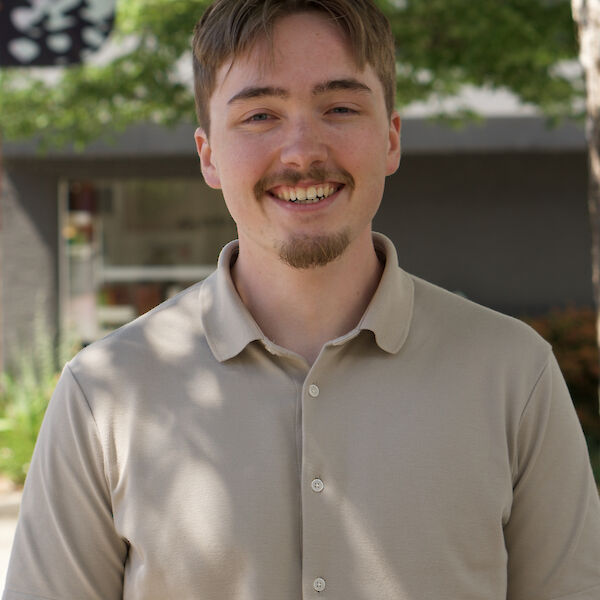
Aidan Kyle
- Neighbourhood:
- Edgemont / Capilano
- Years in the community:
- 16
About
Policy commitments
We all want healthy, affordable, and comfortable homes. These policies will help to lower energy bills, cut pollution, and improve indoor air quality.
Our community is already experiencing the harmful impacts of climate change caused by fossil fuel pollution, and taxpayers are on the hook to upgrade and repair critical infrastructure.
The air we breathe, the water we drink, and the food we eat all rely on healthy ecosystems. Nature can also help protect our community from extreme weather by controlling floods, protecting shorelines, and cooling neighbourhoods. Access to nature improves the health and well-being of residents, and supports biodiversity.
We envision vibrant, walkable communities that protect nature and improve food security.
Connecting neighbourhoods through public transit and active transportation networks will cut pollution, improve public health, and make our communities more affordable (and fun!).
Zero waste policies reduce pollution, keep waste out of landfills, build resilient local economies, and safeguard public health by shifting society away from a disposable culture toward a sustainable circular economy.
Climate action
Growing up in North Van, I learned early how intertwined our community is with nature. Our neighbourhoods sit right against the forest, the creeks and the mountains. That's a big part of why people love living here, and it also means I'm keenly aware of what a wildfire, flood or heat wave could mean for us.
When we ignore nature, it almost always works against us. As we grow, I'd like to see our community keep building toward a balance between how we live and the natural world around us.
Questions for North Vancouver (District of)
Especially in areas where flooding is already a known problem, we should be acting before the damage happens, not after. That means finding the storm drains, culverts and creek crossings that are at their limit and fixing them first, and making sure new homes manage their own runoff so we're not adding to the problem downhill.
Taking a whole-system approach also means keeping costs fair. Right now, many fixes fall on individual households, whether through homeowner upgrades, strata fees or rent, as the wider system reaches its capacity. I'd like to look at how we share those costs more fairly.
The other risks still need attention. The District has a wildfire plan and has done strong work here, but as fire seasons continue to get worse, we need to keep it current. On extreme heat and smoke, North Shore Emergency Management is already doing good work, and I'd like to keep supporting them and make the most of what we already have.
Resilience mostly comes down to doing the unglamorous work well, and doing it before the emergency.
Compiled & presented by
Vote4Tomorrow is an independent voter guide to evaluate where local candidates stand on climate and environmental policies that will affect our future.