
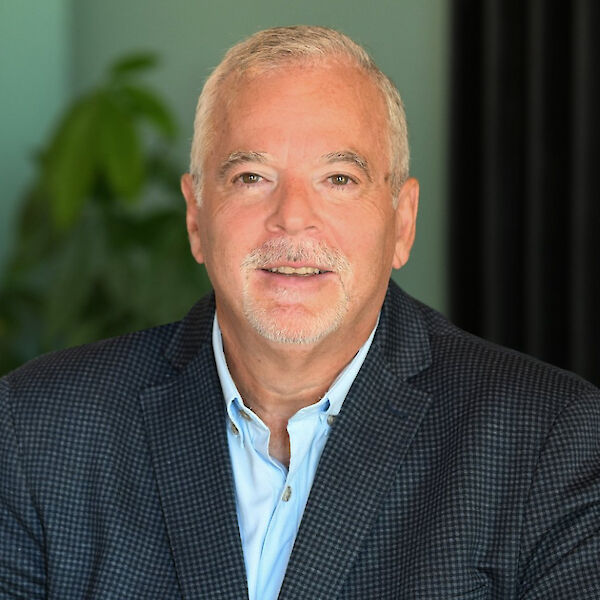
Mike McGraw
About
Policy commitments
We all want healthy, affordable, and comfortable homes. These policies will help to lower energy bills, cut pollution, and improve indoor air quality.
The air we breathe, the water we drink, and the food we eat all rely on healthy ecosystems. Nature can also help protect our community from extreme weather by controlling floods, protecting shorelines, and cooling neighbourhoods. Access to nature improves the health and well-being of residents, and supports biodiversity.
We envision vibrant, walkable communities that protect nature and improve food security.
Connecting neighbourhoods through public transit and active transportation networks will cut pollution, improve public health, and make our communities more affordable (and fun!).
Zero waste policies reduce pollution, keep waste out of landfills, build resilient local economies, and safeguard public health by shifting society away from a disposable culture toward a sustainable circular economy.
Climate action
As strata council president for a mixed-use building here in the City, I've supported energy-efficiency and EV charging upgrades for our owners and businesses.
When I ran my software company, we worked largely remotely and cut unnecessary travel where possible, which reduced our footprint.
I mainly walk within the City, and I also cycle and take transit. At home, I'm very committed to recycling.
As mayor, I'd push for climate measures that deliver measurable results, report on them in plain language, and plan them alongside the housing and transportation decisions that shape our emissions most.
Questions for North Vancouver (City of)
That report needs to be more than a statement of targets. It should show how LEC gets from where it is today to its own interim targets for 2027 and 2030 and net-zero by 2050, what each step costs, and what it means for the rates connected residents and businesses pay. It should also include the cooling plan LEC has repeatedly said is coming, because in a warming climate, a utility the City requires new buildings to join can't leave that question unanswered.
I'd also push for an independent technical review, reporting to Council rather than to LEC, to test the pathway's assumptions, including its reliance on natural gas and renewable natural gas, before Council accepts it.
After it's published, I'd push for annual public reporting on LEC's actual emissions against the pathway, in plain language, alongside its rate report.
That starts with getting the facts in front of the public. I'd push for LEC to disclose how much it's spending on RNG, how that compares to conventional gas, and how much of recent rate increases it accounts for. Council approves LEC's rates, so it should see that clearly before it approves the next increase.
I'd also push for an independent technical review, reporting to Council rather than to LEC, to assess the RNG strategy and what it would take to replace it with heat recovery and electrification. The Urban Heat Recovery Centre needs to come online on schedule, and its output should displace purchased gas, fossil and renewable, before LEC expands further.
When the review reports, I'd push for Council to set a public, dated target for phasing RNG out of LEC's mix, with annual reporting on progress. I won't commit to a date before that work is done, because a date without the engineering and cost analysis behind it wouldn't be credible.
I'd also push the federal government to revisit its contribution. Ottawa committed $212.3 million, one-third of the eligible cost based on the original estimate of about $700 million. The project is now $3.86 billion, and the federal share should reflect what it actually costs.
What rarely gets mentioned is the financing. The plant is being paid off over 30 years, and Metro projects about $1.9 billion in finance costs on top of the construction budget. I'd push for any new federal or provincial dollars to reduce the annual household bill right away, not just the debt at the back end.
Here at home, I'd push for a requirement, written into how the City reports to residents, that any Metro cost obligation like this gets disclosed as soon as staff know about it, not once it's already locked in, along with an independent inquiry into how costs escalated.
As mayor, I'd push for interim targets every five years in the City's urban forest plan, reported publicly, so residents can see whether we're on track well before 2055.
On private land, retention has to be built into planning from the first conversation with an applicant. That means identifying high-value trees early, before a building design is locked in, and giving staff the flexibility on setbacks and siting to keep them. When a tree truly can't be kept, replacement requirements in the tree bylaw should reflect the size of what's being lost and favour large-canopy species, with cash-in-lieu going to planting in the same neighbourhood, starting with those that have the least canopy today.
That fits the broader approach I'm running on: planning whole neighbourhoods first, rather than letting one application at a time decide what they become. None of this should add delay for homeowners or builders who are doing the right thing. Clear rules up front are faster for everyone.
That exemption deserves a real look. About a third of the City's canopy is on private land, and the City's target is to grow from about 20% canopy to 24% by 2055. If we're serious about that target, we need to know how much canopy sits on those lots and whether it's being lost.
But I'm not going to promise a new permit requirement for every homeowner before that work is done. As mayor, I'd push for a review of the exemption that measures canopy change on single-family and duplex lots, looks at how other municipalities handle it, and asks homeowners directly what would work for them.
Whatever comes out of it has to be simple and affordable to comply with. A homeowner with a large tree in their yard shouldn't face the same process as a developer clearing a site. Incentives like planting support and maintenance grants may do more for canopy on those lots than a new permit ever would, and the review should weigh both.
Compiled & presented by

Vote4Tomorrow is an independent voter guide to evaluate where local candidates stand on climate and environmental policies that will affect our future.