
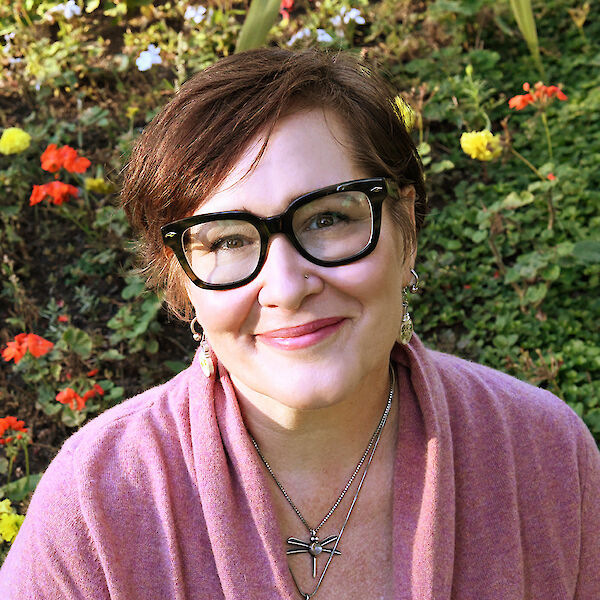
Jess Phillips
About
Policy commitments
We all want healthy, affordable, and comfortable homes. These policies will help to lower energy bills, cut pollution, and improve indoor air quality.
Our community is already experiencing the harmful impacts of climate change caused by fossil fuel pollution, and taxpayers are on the hook to upgrade and repair critical infrastructure.
The air we breathe, the water we drink, and the food we eat all rely on healthy ecosystems. Nature can also help protect our community from extreme weather by controlling floods, protecting shorelines, and cooling neighbourhoods. Access to nature improves the health and well-being of residents, and supports biodiversity.
We envision vibrant, walkable communities that protect nature and improve food security.
Connecting neighbourhoods through public transit and active transportation networks will cut pollution, improve public health, and make our communities more affordable (and fun!).
Climate change, increasing populations, and overconsumption threaten our water security. Healthy watersheds and forests are critical to support clean drinking water, stormwater management, climate resilience, and biodiversity for future generations.
Zero waste policies reduce pollution, keep waste out of landfills, build resilient local economies, and safeguard public health by shifting society away from a disposable culture toward a sustainable circular economy.
Climate action
I don’t have a long list of environmental credentials. Much of what I do is ordinary but intentional: I don’t drive a lot, I recycle, I try to waste less, and I talk with my kids about why those choices matter. I’ve also learned that even a well-intended choice can be complicated. I have a bit of a love-hate relationship with the city-provided FoodCycler, for example, and I think it’s fair to ask what results a program delivers.
Through my business, Transform Your Org, I had the opportunity to support Social Currents, a communications consultancy and citizen engagement initiative founded and led by Delyse Sylvester, on a project exploring Canadian mothers' attitudes and habits toward the environment. I helped share stories about reducing dependence on fossil fuels and women finding creative ways to make a difference in their own communities. What stayed with me was the value of meeting people where they are, and amplifying inspiring voices already making a difference.
I’m a mom trying to make good choices for my family in Nelson, and I’d bring that same care, concern, personal commitment and practical thinking to council.
Questions for Nelson
If it's not already in place, I'd ask council early in the term to choose a manageable set of priorities for each year. Each should have a timeline, a staff lead, an estimated cost and a place in the budget. Wildfire preparedness, reducing waste and making it easier to get around without a car are priorities I would bring to that discussion.
I would also ask for regular public updates that say more than “work is ongoing.” For each priority, residents should be able to see what was promised, what happened and what comes next. We should track results where we can, such as waste kept out of the landfill or whether transit improvements are helping people make the trips they need.
Tracking the data and KPIs and giving regular plain-language updates through many channels will be the key to the community's satisfaction with the progress.
If something falls behind, council should explain the obstacle and decide what to change. That is how I would help keep Nelson Next moving this term.
When I polled some teens in town, I found they had very specific suggestions for how the transit schedule could reduce frustration with minor schedule shifts. Sunday service would also go a long way toward connecting people in and outside of town.
I would start by listening to riders, then work with BC Transit, the RDCK, and neighbouring communities on specific improvements. I would pay particular attention to teens, families, seniors and people with disabilities.
Regional trips can be especially difficult. People need to get to appointments at the Trail hospital, jobs in other communities, and connections to area airports. Those schedules need to work together.
I would also want to see whether changes are working: Are more people riding? Can they make the connections they need? Are the fares manageable?
The data collected would be very beneficial when determining future transit choices.
If we’re asking families to drive less, transit has to be a practical option in their daily lives.
At the same time, some neighbours are stuck in homes that are dangerously hot. Renters cannot always make changes to their buildings, and many families cannot afford an air purifier or air conditioning.
I would support a city heat and smoke response plan that people can use: more places to cool down and get out of the smoke, clear information about when they are open, and help reaching people who may not see an online notice. The City should build that plan with Interior Health, housing providers and community organizations.
I would also want clear rules for City-run outdoor programs, including day camps: when to add water and shade breaks, and when to move activities inside or change plans because of heat or air quality. Families should know how those decisions will be made before signing up for activities.
We also need to keep upgrading infrastructure, fuel mitigation, FireSmart programming, and continue the emergency preparedness work already underway.
Preparation will not take away my fear of wildfire, but it can make our community safer if and when challenging days come.
I believe that how and when we communicate about these challenges and what exactly to do in an emergency or unsafe conditions will be of utmost importance. I would like to see the city providing more frequent messaging in more ways to reach different audiences.
I would ask Nelson Hydro to compare more solar, storage, and other suitable options against the power they would actually provide when we need it most, then communicate why a certain method or path was chosen.
I’m also interested in the small changes households can make. Nelson Hydro asks customers to shift some electricity use away from peak hours. That is the kind of practical information I would like to see shared clearly, along with honest reporting on its effect. Families should understand how their choices fit into the larger picture.
I’m excited to learn more about the technical side of Nelson Hydro. On council, I would ask questions, listen to the people who run the utility and make sure the public can see what an investment is expected to achieve and, later, whether it did.
Nelson’s public green spaces for families are world-class, and they need continued care. For families, that means bylaw staff checking regularly for safety risks and responding quickly when residents report hazards.
The response to the fire at Gyro Park a few years ago was incredible. We are so lucky to have dedicated fire, emergency and police services, city staff, and neighbours who care about each other.
I would treat our drinking-water watersheds as vital infrastructure and support work that protects them. I would also support caring for mature trees and consider public access and habitat when the City makes decisions about the lakeshore. I want us to keep deepening our relationships with Indigenous peoples and work together as partners in caring for land and water.
I want to care for the wildlife in our town by doing much more to reduce attractants. I want the city to think about innovative ways to support residents who can't store garbage at home for two weeks at a time and can't get to the transfer station outside of town.
I think the city should do more to reduce attractants on city property and support an additional pickup and/or drop-off or community collection of organic waste during the warm summer months, as well as fining individuals who repeatedly violate bylaws protecting bears.
Compiled & presented by


Vote4Tomorrow is an independent voter guide to evaluate where local candidates stand on climate and environmental policies that will affect our future.