
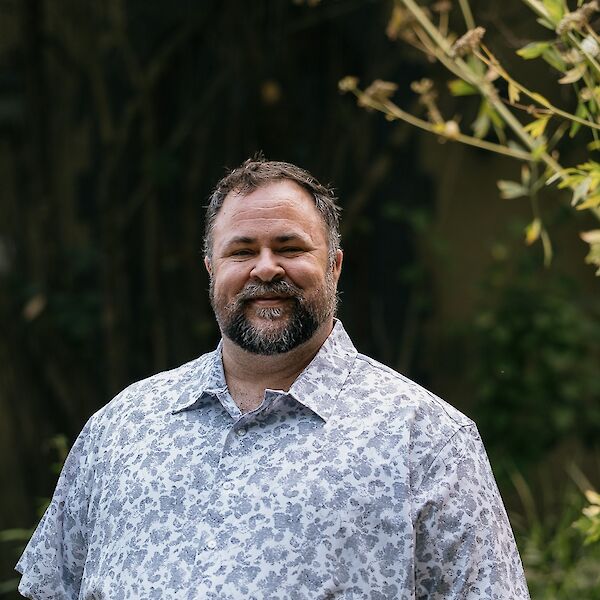
Devon Caron
About
Policy commitments
We all want healthy, affordable, and comfortable homes. These policies will help to lower energy bills, cut pollution, and improve indoor air quality.
Our community is already experiencing the harmful impacts of climate change caused by fossil fuel pollution, and taxpayers are on the hook to upgrade and repair critical infrastructure.
The air we breathe, the water we drink, and the food we eat all rely on healthy ecosystems. Nature can also help protect our community from extreme weather by controlling floods, protecting shorelines, and cooling neighbourhoods. Access to nature improves the health and well-being of residents, and supports biodiversity.
We envision vibrant, walkable communities that protect nature and improve food security.
Connecting neighbourhoods through public transit and active transportation networks will cut pollution, improve public health, and make our communities more affordable (and fun!).
Climate change, increasing populations, and overconsumption threaten our water security. Healthy watersheds and forests are critical to support clean drinking water, stormwater management, climate resilience, and biodiversity for future generations.
Zero waste policies reduce pollution, keep waste out of landfills, build resilient local economies, and safeguard public health by shifting society away from a disposable culture toward a sustainable circular economy.
Climate action
On a more personal level, our family spent a year without a car in an effort to reduce our carbon footprint. It was incredibly difficult to make work with a young family, and we ended up purchasing a vehicle once that year was up. That experience is one reason I am so passionate about transit.
We are also members of Kootenay Carshare, a great initiative that keeps our busy family from needing a second vehicle while giving us access to different kinds of vehicles.
Questions for Nelson
Nelson Next has been embedded in the OCP, which directs the City to identify and prioritize high-impact tactics for annual staff work plans. I would ask the CAO to confirm that this is happening and to report on it.
I would also like to see a consistent Nelson Next and OCP touchpoint in Requests for Decisions presented to Council. Under the section usually called “Impact on Sustainability, Council Priorities and Staff Resources,” staff should identify whether the proposal aligns with Nelson Next and the OCP: yes, no, or not applicable, and briefly explain how or why.
We have a transit system that works for the schedule, not the people who rely on it. The last bus from the Castlegar campus barely leaves enough time after a late class. Evening service in Nelson is limited, the last bus leaves around 9:45 p.m., there is no Sunday service, and some regional routes do not run daily. If I miss a bus, I may wait an hour or more for the next one.
For years, when asked what I want to see in Nelson’s future, I have written the same thing on the sticky note: transit so frequent I do not have to look at a schedule.
I will advocate at the Council table and in regional discussions for more frequent local service, better evening service and the return of Sunday service. I support a direct, frequent connection between Nelson and Trail Regional Hospital, and stronger regional routes to Salmo, Kaslo and Castlegar.
I support free transit for children. Before advocating for broader fare changes, I would want to understand how fares affect the funding model. In an ideal world, I would like to see transit free for everyone who wants to use it. I will make the case to BC Transit, the RDCK, neighbouring communities, and provincial and federal governments that reliable local and intercity transit is essential infrastructure.
I would also want Council to explore ways to work with landlords so renters in older properties can safely remain in their homes during these events, whether through air conditioning or air purification upgrades. The City should also look to the Province for help with funding.
I would want day camps working with the City to have clear policies outlining what they will do during extreme heat or smoky weather, so children, staff and families know what to expect.
Finally, I would like to ensure that long-term infrastructure planning and building requirements for commercial and residential properties include preparation for these increasingly common weather events.
I appreciate the effort behind the Bonnington Solar Garden. As I understand it, Nelson’s local geography and climate mean we may need to try small-scale projects to learn what kinds of generation are feasible here before scaling them up.
I would want that review to consider cost to ratepayers, environmental impacts, reliability and whether smaller pilot projects could be scaled up successfully.
I will advocate for our parks to be well maintained and for the Tree Management Plan to be followed, so declining trees are safely removed and promptly replaced. I will also advocate for land-use planning that prioritizes green space and natural areas, and minimizes paving them over simply for ease of use, or parking.
The fact that our city is bordered by a lake is a real benefit. I would want to ensure that any further lakeshore development benefits the whole community, rather than simply a small minority who can afford a lakefront condo.
Compiled & presented by



Vote4Tomorrow is an independent voter guide to evaluate where local candidates stand on climate and environmental policies that will affect our future.