
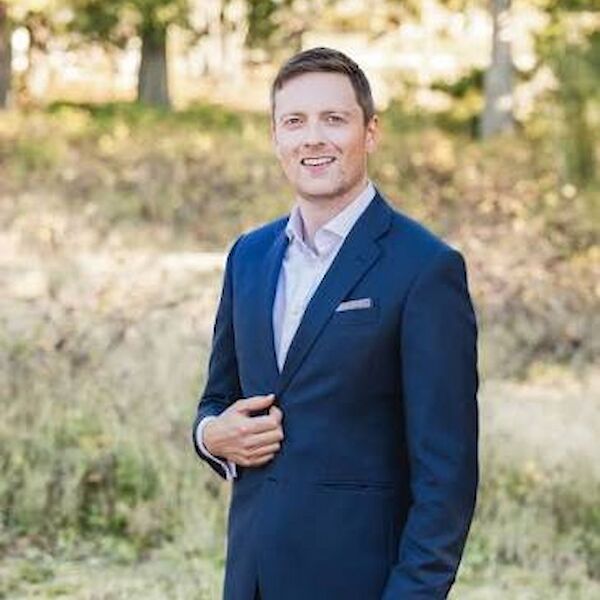
Arthur Cullinan

Arthur Cullinan

Council · Gibsons
Neighbourhood:
Gibsons
Years in the community:
5

About

Gibsons lawyer, paid-on-call firefighter, and Chamber of Commerce director running for Town Council. Father of two, focused on sustainable taxes, real housing solutions, and getting all levels of government here to actually work together.

Policy commitments

Buildings

We all want healthy, affordable, and comfortable homes. These policies will help to lower energy bills, cut pollution, and improve indoor air quality.

✓ Support electrification of new buildings. Supportive
✓ Incentivize electric heat pumps and air filtration systems. Supportive
✓ Incentivize renewable energy, battery storage, and smart-grid technologies in new and existing buildings to improve energy security. Supportive
✓ Scale up energy retrofits for existing homes, businesses, and public buildings. Supportive
✓ Implement a 'right to cool' bylaw to protect tenants during extreme heat events. Supportive
Climate Justice

Our community is already experiencing the harmful impacts of climate change caused by fossil fuel pollution, and taxpayers are on the hook to upgrade and repair critical infrastructure.

✓ Endorse the fossil fuel treaty and commit to phase out fossil fuels. Supportive
✓ Enact a moratorium on AI data centres to protect our energy and water resources. Supportive
✓ Pursue available legal options to recover a fair share of the climate costs facing our community from fossil fuel companies and other big polluters. Supportive
✓ Collaborate with Indigenous peoples as partners in the stewardship of the land, air, and water, and work towards reconciliation. Supportive
Ecosystems

The air we breathe, the water we drink, and the food we eat all rely on healthy ecosystems. Nature can also help protect our community from extreme weather by controlling floods, protecting shorelines, and cooling neighbourhoods. Access to nature improves the health and well-being of residents, and supports biodiversity.

✓ Protect and restore ecosystems, which are essential to human survival, health, and economic well-being. Supportive
✓ Expand and protect tree canopy, parks, and green infrastructure to cool neighbourhoods, clean air, and manage stormwater. Supportive
✓ Prioritize native tree planting in all areas, especially those with low tree cover, higher population densities, and more vulnerable residents. Supportive
✓ Create connected urban greenways for people and wildlife. Supportive
Land Use

We envision vibrant, walkable communities that protect nature and improve food security.

✓ Build affordable homes near jobs, schools, shops, and transit. Supportive
✓ Upgrade critical infrastructure for heat, fire, flood, and storm resilience. Supportive
✓ Increase food security by supporting local agriculture and community gardens. Supportive
Transport

Connecting neighbourhoods through public transit and active transportation networks will cut pollution, improve public health, and make our communities more affordable (and fun!).

✓ Deliver reliable, frequent, affordable local transit. Supportive
✓ Advocate to improve regional public transit between communities. Supportive
✓ Build bike and roll networks that are safe for everyone. Supportive
✓ Expand EV charging infrastructure. Supportive
Watersheds

Climate change, increasing populations, and overconsumption threaten our water security. Healthy watersheds and forests are critical to support clean drinking water, stormwater management, climate resilience, and biodiversity for future generations.

✓ Implement water conservation plans and educate the public to conserve drinking water. Supportive
✓ Protect and restore watersheds as vital municipal infrastructure. Supportive
✓ Develop and implement a water security plan. Supportive
Zero Waste

Zero waste policies reduce pollution, keep waste out of landfills, build resilient local economies, and safeguard public health by shifting society away from a disposable culture toward a sustainable circular economy.

✓ Implement zero waste bylaws to divert organic waste and recyclables from disposal. Supportive
✓ Support the development of a circular economy to eliminate waste and improve resilience. Supportive
✓ Implement bylaws to eliminate waste from new buildings, renovation, and demolition projects and to use existing buildings as efficiently as possible. Supportive
✓ Supportive
~ Neutral
× Opposed
– No response

Climate action

How have you contributed to climate action in your community through advocacy, past work, advisory committees, volunteer work, and/or reducing your personal carbon footprint?
I have a genuine background in this that doesn't often come up: as a law student I was on the Irish team at the Stetson International Environmental Moot Court Competition, the world's largest moot devoted to global environmental law, where our case centred on biodiversity and we placed third internationally. That's real training in how environmental law works, not just an interest from the sidelines. I want to be honest about what's happened since, though: climate hasn't been the organizing cause of my community work the way housing, taxes, or regional governance have been, even though I do care about it. Some of what I've already done has a resilience logic even where I didn't frame it that way at the time: pushing the Chamber toward economic diversification so this coast depends less on a single employer, and the watershed and water infrastructure advocacy already central to my platform. Personally, I drive a plug-in hybrid chosen specifically for its fuel efficiency, walk to and from my office most days, and run my law practice paperless wherever possible. I've also turned down cruise vacations my own family would have enjoyed, because of the environmental damage cruise ships cause, a small thing, held to consistently rather than occasionally. I'd rather answer honestly than inflate this: it isn't a record of sustained environmental advocacy, it's a record of someone with real early training in the field who cares, and has made a handful of consistent personal choices because of it.

Questions for Gibsons

What actions will you take to advocate for Gibsons residents if Woodfibre LNG doubles or triples in size, resulting in an LNG carrier passing through Howe Sound every day?
I'd push for four things: that any review of an expanded Woodfibre LNG explicitly assess the impact on BC Ferries Route 3 reliability, not just the terminal itself, since our ferry file is already this platform's top coast-wide priority; that the shíshálh Nation and the Squamish Nation, whose territory covers Gibsons, Port Mellon and the shipping route, are decision-making partners in any review, not consulted after the fact; that the Town request a direct briefing from BC Ferries and the Province on how an expanded schedule would be managed alongside ferry crossings; and that any review seriously weigh marine biodiversity, Howe Sound is in the middle of a genuine, decades-long ecological recovery, whales, dolphins, herring and salmon returning after industrial dead zones, and a near-daily tanker schedule risks undermining that through underwater noise and collision risk alone. I want to be realistic about what a Gibsons councillor can actually do here: the project sits with the District of Squamish, the province, and federal authorities, not with us. What we do have is a legitimate voice as an affected community, and I'd use it in coalition with Bowen Island, West Vancouver, and the Sunshine Coast's own advocacy groups, rather than pretend council can decide this alone.

Compiled & presented by

Authorized by Citizens for My Sea to Sky, registered sponsor under LECFA, info@myseatosky.org

Vote4Tomorrow is an independent voter guide to evaluate where local candidates stand on climate and environmental policies that will affect our future.

© 2026 Vote4Tomorrow