
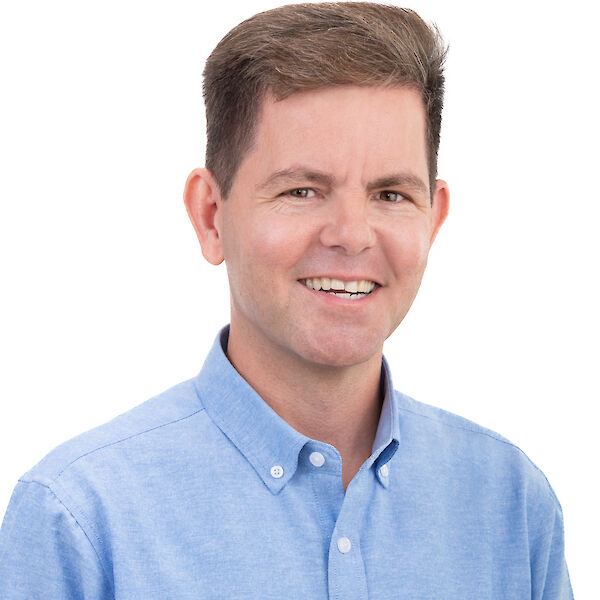
Tim Morrison
About
Policy commitments
We all want healthy, affordable, and comfortable homes. These policies will help to lower energy bills, cut pollution, and improve indoor air quality.
Our community is already experiencing the harmful impacts of climate change caused by fossil fuel pollution, and taxpayers are on the hook to upgrade and repair critical infrastructure.
The air we breathe, the water we drink, and the food we eat all rely on healthy ecosystems. Nature can also help protect our community from extreme weather by controlling floods, protecting shorelines, and cooling neighbourhoods. Access to nature improves the health and well-being of residents, and supports biodiversity.
We envision vibrant, walkable communities that protect nature and improve food security.
Connecting neighbourhoods through public transit and active transportation networks will cut pollution, improve public health, and make our communities more affordable (and fun!).
Climate change, increasing populations, and overconsumption threaten our water security. Healthy watersheds and forests are critical to support clean drinking water, stormwater management, climate resilience, and biodiversity for future generations.
Zero waste policies reduce pollution, keep waste out of landfills, build resilient local economies, and safeguard public health by shifting society away from a disposable culture toward a sustainable circular economy.
Climate action
In my own life, I reduce my personal footprint in my daily commute to/from work with no need for a car. Each morning, I take the #26 bus from my Esquimalt home to my office at Uptown and each evening, I walk home along from Uptown along the Galloping Goose trail and then along the harbour front back to Esquimalt. I also try to walk or cycle for my other daily local errands as it helps me stay healthy while also reducing my carbon footprint.
Questions for Esquimalt
Affordability means advocating for below market options and creative solutions. We need effective housing measures by working cooperatively across governments and with developers and non-profit housing societies to ensure our community has homes for all income levels, ages and needs.
We have options if we are creative. From advocating for the reintroduction of Co-op Housing into the market to ensuring new developments include a specific number of below-market units and/or partnering with non-profit societies to build non-market rentals, we can achieve better affordability. The Lions at Fleming housing (874 Fleming Street) is a good model to follow of Esquimalt's successful partnership with the Greater Victoria Housing Society providing modern new apartments at affordable rents.
Most recently, Esquimalt Council approved a very creative solution brought forward by community members to provide affordable, customized homeownership through the Esquimalt Village Cohousing concept, which can serve as an excellent example for others to replicate.
As per a recent Council presentation from the Esquimalt Climate Organizers (ECO), we also need to adjust our rezoning and development permit processes, so that natural asset protection is considered from the start of the process. Specific steps to take include limiting the need for paved parking spaces for developments close to active transportation infrastructure, increasing the tree protection bylaw security deposit amount, and incorporating sustainability into bylaws where appropriate (e.g. X% of landscaping must be native plantings). This will allow our natural assets to be better protected and will reduce unnecessary design rework later in the rezoning/permit process. As a result, we can greatly reduce the risk of losing portions of our valuable natural assets as we continue to grow and develop as a community.
Esquimalt is also planning a major Official Community Plan (OCP) review and update during 2027. In addition to ensuring our OCP will set more aggressive climate action targets to lower our carbon footprint and protect our environment, I will also advocate strongly for the OCP Land Use Maps to clearly identify all our natural habitat areas that need to be protected.
That is why, as a Councillor, I voted in favour and strongly supported the Township of Esquimalt's Active Transportation Network Plan, which is our 10-year blueprint first approved by Council in 2022 to improve walking, rolling, and cycling infrastructure across our community.
Over the past term, I also voted in favour of the necessary project funding to implement many of our identified active transportation initiatives. These include infrastructure improvements to address gaps in our pedestrian and cycling/rolling routes and a greatly enhanced bike/roll-friendly network for all ages and abilities featuring new protected and buffered bike lanes along our key corridors of Tillicum, Lampson and Esquimalt Road.
We have been making great advancements in our phased rollout while also being efficient with our capital project budgets by ensuring our ongoing corridor improvements have paired active transportation additions (like protected bike lanes) simultaneously with aging underground utility and pavement rehabilitation that benefit everyone. In addition, I also support the Reconciliation Rail Corridor Initiative to revive the E&N line and improve regional connections for Esquimalt, DND/Seaspan, and local First Nations.
As a condition of approval, Council have directed our Parks & Recreation staff to work with the sauna operator, Gatherwell, on possible subsidies for low-income residents, potentially through our existing Leisure Involvement for Everyone, or LIFE, program. As part of the one-year trial, community consultations must occur on whether or not to continue past one year. We need to have a community conversation on what is and what is not appropriate commercial activity within our parks. Generally, I prefer to keep our parks natural and not used for commercial purposes with a notable exception being our Esquimalt Farmers Market.
Campaign contributions
Public records from Elections BC — 15 contributions totalling $8,756.87.
2022 GENERAL LOCAL ELECTIONS
4 contributions · $2,718.18
| Contributor | Date | Amount | Office | Jurisdiction |
|---|---|---|---|---|
| TIM MORRISON | Sep 5, 2022 | $1,250.00 | COUNCILLOR | ESQUIMALT |
| TIM MORRISON | Oct 10, 2022 | $718.18 | COUNCILLOR | ESQUIMALT |
| MAUREEN MORRISON | Sep 5, 2022 | $500.00 | COUNCILLOR | ESQUIMALT |
| RAJINDER SAHOTA | Oct 4, 2022 | $250.00 | COUNCILLOR | ESQUIMALT |
2018 GENERAL LOCAL ELECTIONS
3 contributions · $1,688.69
| Contributor | Date | Amount | Office | Jurisdiction |
|---|---|---|---|---|
| TIM MORRISON | Oct 18, 2018 | $1,188.69 | COUNCILLOR | ESQUIMALT |
| MAUREEN MORRISON | Sep 21, 2018 | $250.00 | COUNCILLOR | ESQUIMALT |
| NORM MORRISON | Sep 21, 2018 | $250.00 | COUNCILLOR | ESQUIMALT |
2014 GENERAL LOCAL ELECTIONS
8 contributions · $4,350.00
| Contributor | Date | Amount | Office | Jurisdiction |
|---|---|---|---|---|
| CANADIAN UNION OF PUBLIC EMPLOYEES LOCAL 1767 | Oct 28, 2014 | $750.00 | COUNCILLOR | ESQUIMALT |
| CANADIAN UNION OF PUBLIC EMPLOYEES BC DIVISION | Oct 28, 2014 | $750.00 | COUNCILLOR | ESQUIMALT |
| CANADIAN UNION OF PUBLIC EMPLOYEES BC DIVISION | Oct 28, 2014 | $750.00 | COUNCILLOR | ESQUIMALT |
| CANADIAN UNION OF PUBLIC EMPLOYEES BC DIVISION | Oct 28, 2014 | $750.00 | COUNCILLOR | ESQUIMALT |
| CANADIAN UNION OF PUBLIC EMPLOYEES BC DIVISION | Oct 28, 2014 | $750.00 | COUNCILLOR | ESQUIMALT |
| MEAGAN KLAASSEN | Oct 24, 2014 | $100.00 | COUNCILLOR | ESQUIMALT |
| MAUREEN MORRISON | Oct 14, 2014 | $250.00 | COUNCILLOR | ESQUIMALT |
| NORM MORRISON | Oct 14, 2014 | $250.00 | COUNCILLOR | ESQUIMALT |
Compiled & presented by

Vote4Tomorrow is an independent voter guide to evaluate where local candidates stand on climate and environmental policies that will affect our future.