
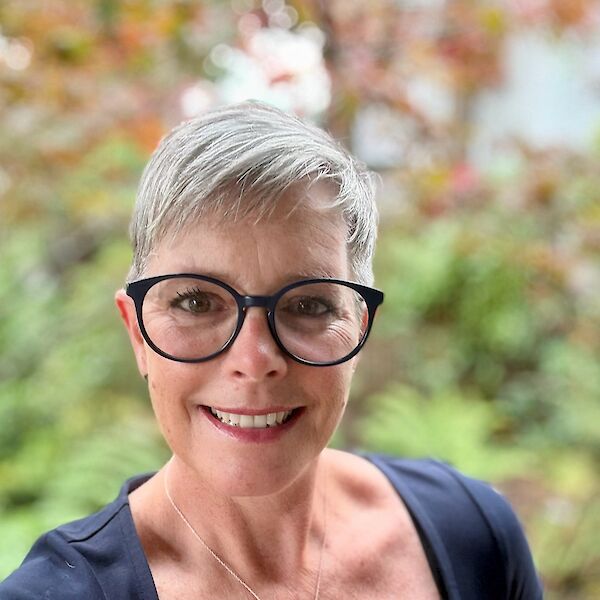
Meagan Brame
About
Policy commitments
We all want healthy, affordable, and comfortable homes. These policies will help to lower energy bills, cut pollution, and improve indoor air quality.
Our community is already experiencing the harmful impacts of climate change caused by fossil fuel pollution, and taxpayers are on the hook to upgrade and repair critical infrastructure.
The air we breathe, the water we drink, and the food we eat all rely on healthy ecosystems. Nature can also help protect our community from extreme weather by controlling floods, protecting shorelines, and cooling neighbourhoods. Access to nature improves the health and well-being of residents, and supports biodiversity.
We envision vibrant, walkable communities that protect nature and improve food security.
Connecting neighbourhoods through public transit and active transportation networks will cut pollution, improve public health, and make our communities more affordable (and fun!).
Climate change, increasing populations, and overconsumption threaten our water security. Healthy watersheds and forests are critical to support clean drinking water, stormwater management, climate resilience, and biodiversity for future generations.
Zero waste policies reduce pollution, keep waste out of landfills, build resilient local economies, and safeguard public health by shifting society away from a disposable culture toward a sustainable circular economy.
Climate action
During my time on Esquimalt Council, I have supported better walking, cycling and transit connections, protecting trees and green space, reducing waste and preparing our community for things like sea-level rise and extreme weather. I also believe we need to look at how we build and renew our infrastructure so it will serve us well for decades to come.
I have been involved in local environmental and community initiatives over the years, and I continue to advocate for practical changes in our community. I strongly support recycling and reducing waste, and I am currently working with my own strata on improving our recycling systems.
On a personal level, I own a plug-in hybrid and try to make choices that reduce my environmental footprint. My husband cycles when he can, but I also recognize that not everyone can leave their car at home. Climate action has to work for families, seniors, people with disabilities and people whose jobs or circumstances require a vehicle.
For me, it isn’t about being perfect. It is about continuing to make better choices, finding practical solutions and making sure the decisions we make today leave Esquimalt in a good place for the next generation.
Questions for Esquimalt
Esquimalt has a Tenant Assistance Policy for tenants affected when purpose-built rental buildings are redeveloped. I would support making sure that policy is working for tenants and looking at what additional tools we can use to protect existing rental housing.
When new development happens, I want us to look at the full picture. We need a range of housing, including rental, below-market and attainable ownership options—not just more small studios or expensive homes. We should also look at ways to incentivize below-market and non-profit housing through tools such as density, fee reductions or other municipal incentives, where appropriate.
I’m also not against Development Cost Charges. They can help ensure new development contributes toward the infrastructure needed to support growth. But there are trade-offs. We need to look at the impact on affordability and consider whether there are ways to structure incentives so that the housing we most need is encouraged without simply adding costs that get passed on to buyers or renters.
And we need to recognize that municipalities cannot solve this alone. The Province controls many of the rules around housing and tenancy, and senior governments need to be partners in creating and funding affordable housing.
For me, the goal is pretty simple: protect what we have, build more of what people can actually afford, and use the tools available to us thoughtfully.
I support Natural Asset Management because it recognizes that our natural assets have real value. A mature tree can’t simply be replaced by planting a new one—it takes years to provide the same benefits.
Esquimalt has to accommodate the housing growth required by the Province, but that doesn’t mean trees should automatically be the first thing to go. I want clear guidelines that encourage thoughtful site design, retain mature trees where possible and consider building location, height and massing.
We need housing, but we also need the neighbourhoods people want to live in. Growth and tree protection don’t have to be either/or. Good planning should allow us to do both wherever we reasonably can.
DND’s new housing in Esquimalt should help by putting more military families closer to where they work, reducing some of the commuting in and out of the community. I would also like to see continued work with DND, Seaspan and BC Transit on options that give employees alternatives to driving alone.
And we need to keep moving forward on the Island Rail Corridor. We have been studying it for a very long time. Whether the eventual solution is rail, dedicated transit or another practical use of the corridor, I think it is time to focus on what is achievable.
We can’t eliminate rush hour traffic, but we can work together to reduce the number of cars on the road and make sure Esquimalt has a seat at the table as these major employers continue to grow.
The sauna at Gorge Park is a temporary pilot, and I think that’s a reasonable way to try something new. Before deciding whether it should continue, I’d want to look at how it has worked, including the impact on the park, public access, neighbourhood concerns and the revenue it brings to the municipality.
If a private business is making money from public land, I think it’s fair to expect the municipality to receive something in return. But revenue shouldn’t be the only consideration. Our parks are public spaces and we need to make sure they remain accessible to the community.
I’m open to private businesses operating in our parks when there is a clear community benefit and the arrangement makes sense. The pilot gives us a chance to see what worked, what didn’t and whether it’s something Esquimalt should continue.
We have a lot on our plate already. We need to focus our limited staff time, resources and tax dollars on the things we can actually control and deliver for our community—from infrastructure renewal and climate adaptation to transportation, housing and emergency preparedness.
I understand the argument behind the initiative, and I don’t disagree that climate change is creating real and growing costs for local governments. But joining a legal action that could take years to resolve is not where I think Esquimalt should be putting its resources right now.
I would rather see us put that time and money into practical climate action here in Esquimalt—reducing emissions where we can, protecting our natural assets and preparing our infrastructure for the impacts we know are coming.
Campaign contributions
Public records from Elections BC — 5 contributions totalling $3,825.00.
2025 ESQUIMALT BY-ELECTION
2 contributions · $2,025.00
| Contributor | Date | Amount | Office | Jurisdiction |
|---|---|---|---|---|
| MEAGAN DOROTHY BRAME | Mar 4, 2025 | $1,025.00 | COUNCILLOR | ESQUIMALT |
| STEVEN DOUGLAS BRAME | Mar 4, 2025 | $1,000.00 | COUNCILLOR | ESQUIMALT |
2018 GENERAL LOCAL ELECTIONS
2 contributions · $800.00
| Contributor | Date | Amount | Office | Jurisdiction |
|---|---|---|---|---|
| MEAGAN BRAME | Sep 18, 2018 | $700.00 | COUNCILLOR | ESQUIMALT |
| ANDREW HOLENCHUK | Oct 12, 2018 | $100.00 | COUNCILLOR | ESQUIMALT |
2014 GENERAL LOCAL ELECTIONS
1 contribution · $1,000.00
| Contributor | Date | Amount | Office | Jurisdiction |
|---|---|---|---|---|
| MEAGAN BRAME | Sep 14, 2014 | $1,000.00 | COUNCILLOR | ESQUIMALT |
Compiled & presented by

Vote4Tomorrow is an independent voter guide to evaluate where local candidates stand on climate and environmental policies that will affect our future.