
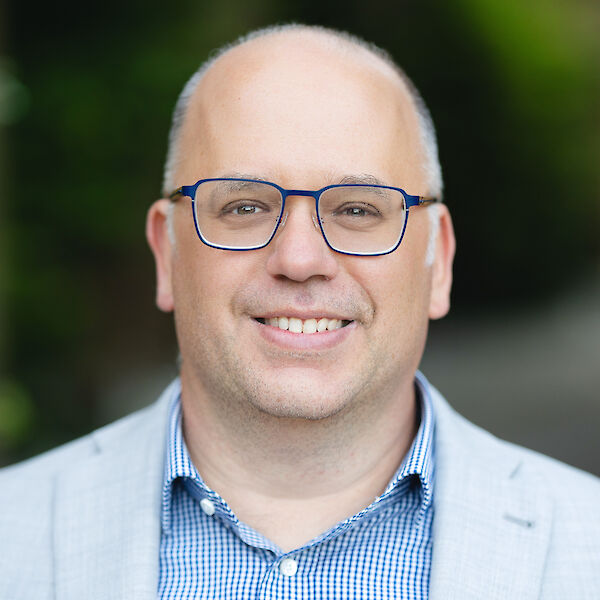
Duncan Cavens
About
Policy commitments
We all want healthy, affordable, and comfortable homes. These policies will help to lower energy bills, cut pollution, and improve indoor air quality.
Our community is already experiencing the harmful impacts of climate change caused by fossil fuel pollution, and taxpayers are on the hook to upgrade and repair critical infrastructure.
The air we breathe, the water we drink, and the food we eat all rely on healthy ecosystems. Nature can also help protect our community from extreme weather by controlling floods, protecting shorelines, and cooling neighbourhoods. Access to nature improves the health and well-being of residents, and supports biodiversity.
We envision vibrant, walkable communities that protect nature and improve food security.
Connecting neighbourhoods through public transit and active transportation networks will cut pollution, improve public health, and make our communities more affordable (and fun!).
Climate change, increasing populations, and overconsumption threaten our water security. Healthy watersheds and forests are critical to support clean drinking water, stormwater management, climate resilience, and biodiversity for future generations.
Zero waste policies reduce pollution, keep waste out of landfills, build resilient local economies, and safeguard public health by shifting society away from a disposable culture toward a sustainable circular economy.
Climate action
On Council, I championed Esquimalt becoming an early adopter of the Zero Carbon Step Code and pushed for a GHG lens on major capital projects. We are now moving beyond targets and making real reductions in corporate emissions through lower-carbon heating and cooling in municipal facilities and lower-carbon choices for our fleet.
Personally, I restored our 100-year-old home in West Bay to a very high energy standard. Between the house and our transportation choices, our household operating emissions are now very low. Just as importantly, the house is more comfortable and our annual energy costs are very affordable.
My approach to climate action is practical: set ambitious goals, but concentrate on measures that actually reduce emissions and make financial sense.
Questions for Esquimalt
I would like Esquimalt to work more closely with the Province, Federal organizations, the CRD and housing providers to bring existing funding programs into our older rental buildings. Energy retrofits are a particularly good opportunity: heat pumps, better windows, insulation and other upgrades can lower emissions and operating costs while also making homes more comfortable and safer during increasingly hot summers.
We also need to be much more active in attracting new non-market housing. Local government cannot fund affordable housing on its own, but we can make land-use decisions that support it, build relationships with non-profit providers, and pursue provincial and federal funding.
The goal should be straightforward: preserve the affordable housing we already have while steadily adding more homes that people on ordinary incomes can actually afford.
Protecting and expanding our urban tree canopy should be a key part of the upcoming Official Community Plan review and the zoning work that follows it. Trees, natural areas and green infrastructure provide real services: shade, cooling, stormwater management, habitat, traffic calming, and carbon storage. We should account for those benefits when we make decisions about development and infrastructure.
The E&N corridor is a major regional asset that should be better used for moving people, both as a transportation corridor and as a regional trail. I support the Reconciliation Corridor Initiative, led by the Songhees and Kosapsum (Esquimalt) Nations, which is examining the feasibility of passenger rail between Victoria and the West Shore.
Esquimalt also needs to keep building out its active transportation network. Our Active Transportation Plan is about giving people more choices. Every trip made safely by walking, cycling or rolling is one less vehicle competing for limited road space, leaving more room for people who need to drive.
Transit is equally important. I want us to pursue transit-priority measures, particularly along Admirals, so buses are not simply stuck in the same rush-hour traffic. Transit needs to be fast, frequent and reliable if we expect more people to choose it.
We also need to examine if there are ways to tweak our intersections to allow better traffic flow: we need to make sure our roads are as efficient as possible for all modes.
There is no single solution to congestion around CFB Esquimalt and Seaspan. We need rail, transit, active transportation and better use of the roads we already have.
The Gorge Park sauna is a one-year pilot, which is exactly how I think proposals like this should be tested. It does not require the Township to make a major capital investment, and Council has asked that access for lower-income residents be addressed through programs such as LIFE.
The test for me is whether an activity adds something to the park without taking away from public access, greenspace, habitat or other park uses. It should remain under Township control, and I would be very cautious about long-term leases or arrangements that effectively turn public space into private space.
Gorge Park has a long history as a place for recreation, gatherings and activities. It used to have restaurants, a roller coaster and other private attractions before the 2nd World War. If a small, temporary commercial use helps bring people into the park and builds community without compromising the things that make the park special, I think it is worth trying.
At the end of the pilot, we should look at how people actually used it, what problems arose, and whether it provided enough public benefit to continue.
I would support this work being taken on at the provincial level. Before spending municipal funds on litigation, I would want a clear understanding of the legal case, the financial exposure for the Township, and the likely benefit to Esquimalt residents.
My priority is to put our limited climate resources into measures where we know they will have an impact: reducing energy use and emissions from municipal buildings, moving our fleet to lower-carbon options, protecting and expanding our urban canopy, and making our infrastructure more resilient to a changing climate.
I have worked on municipal climate action for nearly 20 years. That experience has made me strongly supportive of climate action, and focused on implementation and measurable results.
If a credible class action moves forward with broad municipal participation and clearly understood costs and risks, I would look at it on its merits. Right now, I would prioritize spending Esquimalt’s limited resources on reducing emissions and preparing for climate impacts.
Campaign contributions
Public records from Elections BC — 5 contributions totalling $2,592.00.
2022 GENERAL LOCAL ELECTIONS
5 contributions · $2,592.00
| Contributor | Date | Amount | Office | Jurisdiction |
|---|---|---|---|---|
| STUART DUNCAN CAVENS | Jan 4, 2023 | $597.00 | COUNCILLOR | ESQUIMALT |
| STUART DUNCAN CAVENS | Oct 10, 2022 | $560.00 | COUNCILLOR | ESQUIMALT |
| LYNDA CAVENS | Sep 25, 2022 | $500.00 | COUNCILLOR | ESQUIMALT |
| KRISTI MACMILLAN | Oct 10, 2022 | $135.00 | COUNCILLOR | ESQUIMALT |
| DENISE DIANE PRITCHARD | Jan 4, 2023 | $800.00 | COUNCILLOR | ESQUIMALT |
Compiled & presented by

Vote4Tomorrow is an independent voter guide to evaluate where local candidates stand on climate and environmental policies that will affect our future.