
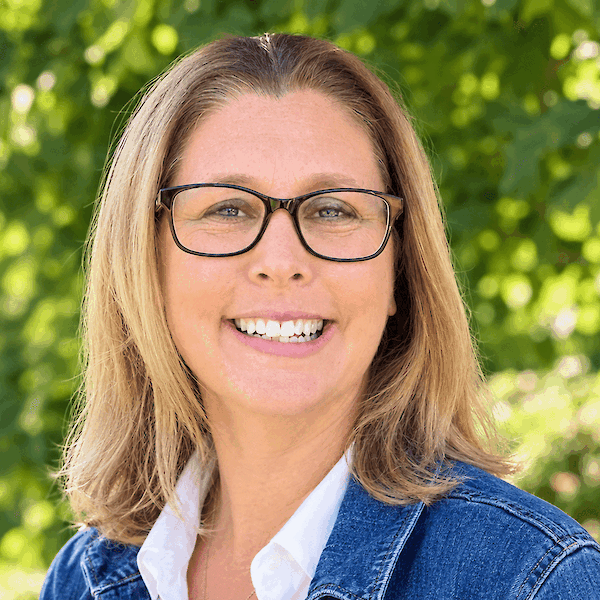
Amber Champ
- Neighbourhood:
- Shawnigan Lake Area B
- Years in the community:
- 35
About
Policy commitments
We all want healthy, affordable, and comfortable homes. These policies will help to lower energy bills, cut pollution, and improve indoor air quality.
Our community is already experiencing the harmful impacts of climate change caused by fossil fuel pollution, and taxpayers are on the hook to upgrade and repair critical infrastructure.
The air we breathe, the water we drink, and the food we eat all rely on healthy ecosystems. Nature can also help protect our community from extreme weather by controlling floods, protecting shorelines, and cooling neighbourhoods. Access to nature improves the health and well-being of residents, and supports biodiversity.
We envision vibrant, walkable communities that protect nature and improve food security.
Connecting neighbourhoods through public transit and active transportation networks will cut pollution, improve public health, and make our communities more affordable (and fun!).
Climate change, increasing populations, and overconsumption threaten our water security. Healthy watersheds and forests are critical to support clean drinking water, stormwater management, climate resilience, and biodiversity for future generations.
Zero waste policies reduce pollution, keep waste out of landfills, build resilient local economies, and safeguard public health by shifting society away from a disposable culture toward a sustainable circular economy.
Climate action
Much of my volunteer work has been focused on children and families, and I currently work for the school board. These experiences have given me a strong understanding of the challenges families face and the importance of creating a community where children and young people can thrive.
They have also reinforced my belief that we have a responsibility to think beyond today. The decisions we make about growth, land use, transportation and our natural environment will shape the community our children inherit. I want to bring that perspective to the table, balancing the needs of families today with thoughtful stewardship of our lakes, forests and rural character for generations to come.
Questions for Cowichan Valley Regional District
We also need to recognize that water is at the heart of many of these challenges. The Cowichan Valley can experience both prolonged drought and intense rainfall and flooding. The Koksilah and Cowichan watersheds are a good reminder of this reality. I would support continued investment in watershed protection, flood planning, water conservation and infrastructure that can withstand changing conditions.
For me, resilience means being prepared before an emergency happens, protecting the natural environment that help protect our communities, and making practical decisions today that will help keep our families, infrastructure and local economy safe in the future.
We also need to recognize that water is at the heart of many of these challenges. The Cowichan Valley can experience both prolonged drought and intense rainfall and flooding. The Koksilah and Cowichan watersheds are a good reminder of this reality. I would support continued investment in watershed protection, flood planning, water conservation and infrastructure that can withstand changing conditions.
For me, resilience means being prepared before an emergency happens, protecting the natural systems that help protect our communities, and making practical decisions today that will help keep our families, infrastructure and local economy safe in the future.
Our role is to make sure the concerns we hear from residents are clearly communicated, supported by local knowledge and kept on the ministry’s radar. Stronger collaboration and consistent advocacy can help ensure our rural roads, transportation infrastructure and alternative modes of transportation receive the attention they deserve.
I will continue to support smart, responsible growth that considers the capacity of our infrastructure, the environment and the rural character of our community. Growth should be planned thoughtfully, rather than putting pressure on infrastructure that cannot support it.
Most importantly, I believe land-use decisions should reflect the needs and vision of the community. I will listen to residents, seek their input and work to ensure that future decisions balance the need for housing and responsible growth with the infrastructure, environment and character that make Area B a great place to live.
Compiled & presented by

Vote4Tomorrow is an independent voter guide to evaluate where local candidates stand on climate and environmental policies that will affect our future.