
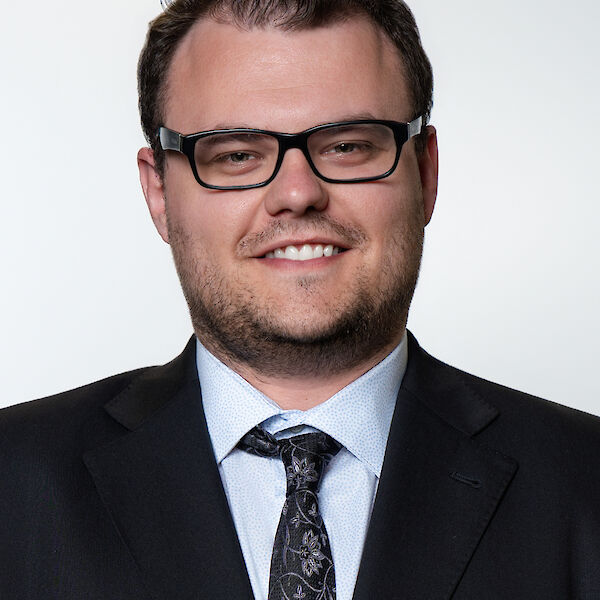
Tali Campbell
- Neighbourhood:
- Coquitlam
- Years in the community:
- 6
About
Policy commitments
We all want healthy, affordable, and comfortable homes. These policies will help to lower energy bills, cut pollution, and improve indoor air quality.
Our community is already experiencing the harmful impacts of climate change caused by fossil fuel pollution, and taxpayers are on the hook to upgrade and repair critical infrastructure.
The air we breathe, the water we drink, and the food we eat all rely on healthy ecosystems. Nature can also help protect our community from extreme weather by controlling floods, protecting shorelines, and cooling neighbourhoods. Access to nature improves the health and well-being of residents, and supports biodiversity.
We envision vibrant, walkable communities that protect nature and improve food security.
Connecting neighbourhoods through public transit and active transportation networks will cut pollution, improve public health, and make our communities more affordable (and fun!).
Climate change, increasing populations, and overconsumption threaten our water security. Healthy watersheds and forests are critical to support clean drinking water, stormwater management, climate resilience, and biodiversity for future generations.
Zero waste policies reduce pollution, keep waste out of landfills, build resilient local economies, and safeguard public health by shifting society away from a disposable culture toward a sustainable circular economy.
Climate action
I believe municipalities have an important role to play in reducing emissions through the decisions we make about transportation, buildings, infrastructure, land use and our urban forest. I support Coquitlam's Climate Action Plan and its focus on areas where the City can have a direct and measurable impact.
Personally and professionally, I try to make responsible choices while recognizing that meaningful climate action has to be realistic and accessible for residents and businesses. We should make it easier for people to walk, cycle and use transit, improve energy efficiency, protect our natural environment and ensure new development is built responsibly.
As a Councillor, I would support climate initiatives that produce measurable environmental benefits while considering affordability, implementation costs and the impact on residents.
Questions for Coquitlam
I support responsible growth that coordinates housing with transportation, utilities, parks, recreation, schools, childcare and commercial space. The City should work closely with the Province, TransLink, School District 43, Metro Vancouver and other partners so infrastructure planning happens alongside growth rather than after problems emerge.
I also want to see more complete, walkable neighbourhoods where residents can access everyday services without needing a vehicle for every trip. Concentrating appropriate density near transit, shops, employment and community amenities can help accomplish that.
Development should also contribute its fair share toward the infrastructure required to support growth while ensuring we remain conscious of housing affordability.
Growth is coming to Coquitlam. Our responsibility is to manage it well, protect quality of life and ensure the infrastructure residents rely on keeps pace.
I support Coquitlam's recently adopted Urban Forest Management Strategy and believe the City should prioritize retaining healthy mature trees wherever reasonably possible, particularly during redevelopment and when planning public infrastructure.
That means designing development with existing trees in mind, strengthening replacement and protection requirements where appropriate, expanding planting on City-owned land and streets, and ensuring newly planted trees have the soil, space and long-term maintenance required to actually reach maturity.
At the same time, our policies need to recognize that Coquitlam is growing and that provincial housing requirements are changing how neighbourhoods develop. Protecting our urban forest and providing additional housing should not automatically be treated as competing objectives. Good planning should strive to accomplish both.
I support measurable monitoring of canopy health, tree retention, replacement and planting so Council and residents can see whether our policies are actually working.
I am open to Coquitlam advancing the Zero Carbon Step Code ahead of provincial requirements where it is demonstrated to be practical and achievable. However, I believe implementation should be informed by consultation with builders, residents, technical experts and other stakeholders, with careful consideration given to housing affordability, construction costs and available technology.
Buildings are a significant source of Coquitlam's community greenhouse gas emissions, so improving the performance of new construction is an important part of meeting our climate goals. At the same time, we are facing a housing affordability and supply challenge, and climate policy should be designed carefully so we are not creating unnecessary barriers to building the homes our community needs.
I favour a clear, predictable and phased approach that gives the construction industry time to adapt while continuing to move Coquitlam toward lower-emission buildings.
Our goal should be meaningful emission reductions with policies that are measurable, achievable and economically responsible.
Campaign contributions
Public records from Elections BC — 3 contributions totalling $1,725.30.
2014 GENERAL LOCAL ELECTIONS
3 contributions · $1,725.30
| Contributor | Date | Amount | Office | Jurisdiction |
|---|---|---|---|---|
| TALI CAMPBELL | Nov 14, 2014 | $717.45 | COUNCILLOR | NANAIMO |
| TALI CAMPBELL | Dec 14, 2014 | $7.85 | COUNCILLOR | NANAIMO |
| ROBERT HALL | Oct 29, 2014 | $1,000.00 | COUNCILLOR | NANAIMO |
Compiled & presented by

Vote4Tomorrow is an independent voter guide to evaluate where local candidates stand on climate and environmental policies that will affect our future.