
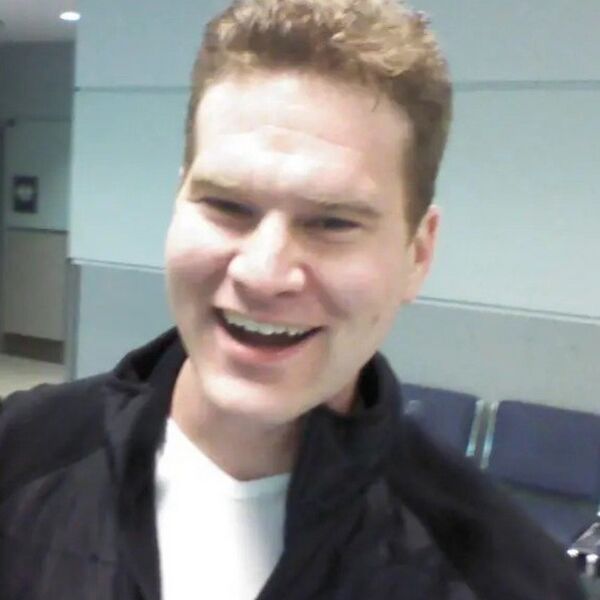
Cameron McBryer

Cameron McBryer

Council · Coquitlam
Neighbourhood:
Coquitlam
Years in the community:
43

About

Coquitlam born and raised. Received my Bachelors in Physics from SFU. Have previously worked as Operations Manager for Real Canadian Superstore. Has been a bartender at times. Now I help customers build and design their off gird solar solutions.

Policy commitments

Buildings

We all want healthy, affordable, and comfortable homes. These policies will help to lower energy bills, cut pollution, and improve indoor air quality.

✓ Incentivize electric heat pumps and air filtration systems. Supportive
✓ Incentivize renewable energy, battery storage, and smart-grid technologies in new and existing buildings to improve energy security. Supportive
✓ Scale up energy retrofits for existing homes, businesses, and public buildings. Supportive
Climate Justice

Our community is already experiencing the harmful impacts of climate change caused by fossil fuel pollution, and taxpayers are on the hook to upgrade and repair critical infrastructure.

✓ Enact a moratorium on AI data centres to protect our energy and water resources. Supportive
✓ Collaborate with Indigenous peoples as partners in the stewardship of the land, air, and water, and work towards reconciliation. Supportive
Ecosystems

The air we breathe, the water we drink, and the food we eat all rely on healthy ecosystems. Nature can also help protect our community from extreme weather by controlling floods, protecting shorelines, and cooling neighbourhoods. Access to nature improves the health and well-being of residents, and supports biodiversity.

✓ Protect and restore ecosystems, which are essential to human survival, health, and economic well-being. Supportive
✓ Expand and protect tree canopy, parks, and green infrastructure to cool neighbourhoods, clean air, and manage stormwater. Supportive
✓ Prioritize native tree planting in all areas, especially those with low tree cover, higher population densities, and more vulnerable residents. Supportive
✓ Create connected urban greenways for people and wildlife. Supportive
Land Use

We envision vibrant, walkable communities that protect nature and improve food security.

✓ Build affordable homes near jobs, schools, shops, and transit. Supportive
✓ Upgrade critical infrastructure for heat, fire, flood, and storm resilience. Supportive
✓ Increase food security by supporting local agriculture and community gardens. Supportive
Transport

Connecting neighbourhoods through public transit and active transportation networks will cut pollution, improve public health, and make our communities more affordable (and fun!).

✓ Advocate to improve regional public transit between communities. Supportive
✓ Build bike and roll networks that are safe for everyone. Supportive
✓ Expand EV charging infrastructure. Supportive
Watersheds

Climate change, increasing populations, and overconsumption threaten our water security. Healthy watersheds and forests are critical to support clean drinking water, stormwater management, climate resilience, and biodiversity for future generations.

✓ Implement water conservation plans and educate the public to conserve drinking water. Supportive
✓ Protect and restore watersheds as vital municipal infrastructure. Supportive
✓ Develop and implement a water security plan. Supportive
Zero Waste

Zero waste policies reduce pollution, keep waste out of landfills, build resilient local economies, and safeguard public health by shifting society away from a disposable culture toward a sustainable circular economy.

✓ Implement zero waste bylaws to divert organic waste and recyclables from disposal. Supportive
✓ Support the development of a circular economy to eliminate waste and improve resilience. Supportive
✓ Implement bylaws to eliminate waste from new buildings, renovation, and demolition projects and to use existing buildings as efficiently as possible. Supportive
✓ Supportive
~ Neutral
× Opposed
– No response

Climate action

How have you contributed to climate action in your community through advocacy, past work, advisory committees, volunteer work, and/or reducing your personal carbon footprint?
At home and at work, I'm the first to turn the thermostat down in the winter and AC off in the summer.
My current occupations allows me to assist people going off grid and off propane and gas with their Cabins, RVs and boats. Renewables is the way of the future.
As a battery distributor, recycling is one of our core responsibility. I'm usually the first one to turn the heat down in the winter. One thing I have found is that recycling lithium batteries is an incredibly complicated and expensive process and we don't have a good solution for this in the Coquitlam or BC. As more people move the EVs and lithium batteries for their recreational and emergency batteries, we need to get ahead of the upcoming need for high volume lithium recycling. Working with the Province and Metro Vancouver we must make it easier to recycle old large lithium batteries either through the transfer station or other methods. Currently we're limited to only a few kilograms at a time.
Also all my election signs are using repurposed items. Old but useful pieces of plywood, as well as old printed signs used by a previous candidate and home made stencil and a little bit of paint.

Questions for Coquitlam

To be community oriented, new housing development must be integrated with local infrastructure - jobs, schools, shops, transit, walkable nature, green energy. How would you ensure adequate infrastructure to support increased density and population?
We have to adapt the city master plan. It is an ongoing living document, and adjusted to where we see the future looking. When building greater density, shop space, traffic patterns, transit and the tree canopy should be considered and weighted heavily in the approval process. I'm tired of growth upward, but with traffic congestion, no parking and a lack of amenities.
High rises should have shops on the lower floors, community gyms, and adequate parking for both residents and visitors.
When developers are building extra density, the construction vehicles should all be able to park and work on the property and not block traffic for months on end. Where those vehicles were during construction ensures there is room for green space or playgrounds.
I would like to see more projects built with renewable energy, passive cooling, and using the natural landscape to assist with lighting.
For some reason schools are an afterthought of sorts to development. Schools aren't built until there are already people living in an area. This to me seems like land procurement is more expensive as it comes after the land has already gone up in value. We need to work with the school board and the province to come to earlier solutions to this problem.
Tree canopies provide micro climate benefits. New planted trees reduce overall emissions by breathing in CO2 but take decades to reach mature tree canopy cover. How would you increase city retention of mature trees and establish adequate canopy standards?
Honestly it bothers me a lot when I see healthy trees come down. I would ensure all new developments have planted trees as part of their program. Single detached housing should have trees and shrubs, and should not be filling the entire property, too often I see houses where the property is huge but there is nowhere outside for kids or pets to play, this thought should be expanded to medium and high density housing as well. Make sure there is space on the property for residents to relax in a green space.
I would like to see boulevards, where the trees not only provide shade, but might actually grow nuts or fruit.
We have a few schools that have closed over the years. But the building and grounds are still usable.
Some of these fields should be transformed into community gardens if not in use by sports user groups.
Describe your position on early adoption and implementation of the Zero Carbon Step Code* for new residential buildings? (*introduced in 2023 by BC government to allow cities to limit fossil fuel use in new buildings to reduce CO2 emissions)
While I am all for transitioning to green and clean energy, we must still be aware that we maintain safety and resiliency by having back up solutions available in the event of emergency. If we lose electricity for whatever reason, we need to be able to heat our homes, having natural gas as a back up should still be considered.
The military idiom "two is one, one is none" rings true in this regard. Personally I like the cold and am fine bundling up. But that doesn't work for everyone, people need to be able to heat their homes in the winter, and we've already removed most of the wood burning stoves and fireplaces.

Campaign contributions

Public records from Elections BC — 3 contributions totalling $614.00.

2022 GENERAL LOCAL ELECTIONS

3 contributions · $614.00

Contributor Date Amount Office Jurisdiction
GALE MCBRYER Sep 28, 2022 $276.00 COUNCILLOR COQUITLAM
CAMERON CARTER MCBRYER Oct 4, 2022 $200.00 COUNCILLOR COQUITLAM
GALE MCBRYER Sep 19, 2022 $138.00 COUNCILLOR COQUITLAM

Compiled & presented by

Authorized by Force of Nature Alliance, registered sponsor under LECFA, info@forceofnaturealliance.ca

Vote4Tomorrow is an independent voter guide to evaluate where local candidates stand on climate and environmental policies that will affect our future.

© 2026 Vote4Tomorrow