Joëlle Samson

Joëlle Samson

Council · Campbell River
Climate Leader
9 yrs

About

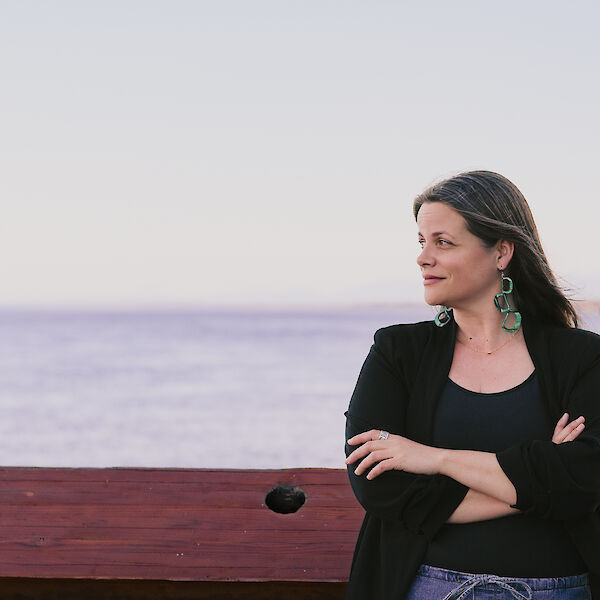
I am a mother, a former Library Manager (aka Librarian), and a Project Coordinator. Raised mainly in Summerland BC, we moved to Kyuquot in 2000. I've chosen Campbell River to raise my children, have partnered with many organizations and love it here

Policy commitments

Buildings

We all want healthy, affordable, and comfortable homes. These policies will help to lower energy bills, cut pollution, and improve indoor air quality.

✓ Support electrification of new buildings. Supportive
✓ Incentivize electric heat pumps and air filtration systems. Supportive
✓ Incentivize renewable energy, battery storage, and smart-grid technologies in new and existing buildings to improve energy security. Supportive
✓ Scale up energy retrofits for existing homes, businesses, and public buildings. Supportive
✓ Implement a 'right to cool' bylaw to protect tenants during extreme heat events. Supportive
Climate Justice

Our community is already experiencing the harmful impacts of climate change caused by fossil fuel pollution, and taxpayers are on the hook to upgrade and repair critical infrastructure.

✓ Endorse the fossil fuel treaty and commit to phase out fossil fuels. Supportive
✓ Enact a moratorium on AI data centres to protect our energy and water resources. Supportive
✓ Pursue available legal options to recover a fair share of the climate costs facing our community from fossil fuel companies and other big polluters. Supportive
✓ Collaborate with Indigenous peoples as partners in the stewardship of the land, air, and water, and work towards reconciliation. Supportive
Ecosystems

The air we breathe, the water we drink, and the food we eat all rely on healthy ecosystems. Nature can also help protect our community from extreme weather by controlling floods, protecting shorelines, and cooling neighbourhoods. Access to nature improves the health and well-being of residents, and supports biodiversity.

✓ Protect and restore ecosystems, which are essential to human survival, health, and economic well-being. Supportive
✓ Expand and protect tree canopy, parks, and green infrastructure to cool neighbourhoods, clean air, and manage stormwater. Supportive
✓ Prioritize native tree planting in all areas, especially those with low tree cover, higher population densities, and more vulnerable residents. Supportive
✓ Create connected urban greenways for people and wildlife. Supportive
Land Use

We envision vibrant, walkable communities that protect nature and improve food security.

✓ Build affordable homes near jobs, schools, shops, and transit. Supportive
✓ Upgrade critical infrastructure for heat, fire, flood, and storm resilience. Supportive
✓ Increase food security by supporting local agriculture and community gardens. Supportive
Transport

Connecting neighbourhoods through public transit and active transportation networks will cut pollution, improve public health, and make our communities more affordable (and fun!).

✓ Deliver reliable, frequent, affordable local transit. Supportive
✓ Advocate to improve regional public transit between communities. Supportive
✓ Build bike and roll networks that are safe for everyone. Supportive
~ Expand EV charging infrastructure. Neutral
Watersheds

Climate change, increasing populations, and overconsumption threaten our water security. Healthy watersheds and forests are critical to support clean drinking water, stormwater management, climate resilience, and biodiversity for future generations.

✓ Implement water conservation plans and educate the public to conserve drinking water. Supportive
✓ Protect and restore watersheds as vital municipal infrastructure. Supportive
✓ Develop and implement a water security plan. Supportive
Zero Waste

Zero waste policies reduce pollution, keep waste out of landfills, build resilient local economies, and safeguard public health by shifting society away from a disposable culture toward a sustainable circular economy.

✓ Implement zero waste bylaws to divert organic waste and recyclables from disposal. Supportive
✓ Support the development of a circular economy to eliminate waste and improve resilience. Supportive
✓ Implement bylaws to eliminate waste from new buildings, renovation, and demolition projects and to use existing buildings as efficiently as possible. Supportive
✓ Supportive
~ Neutral
× Opposed
– No response

Climate action

How have you contributed to climate action in your community through advocacy, past work, advisory committees, volunteer work, and/or reducing your personal carbon footprint?
I've reduced my carbon footprint by trading in my natural gas furnace for a heat pump. I wouldn't have been able to make the switch without the help of rebates and know first hand how such incentives make all the difference. Other than signing petitions to advocate for climate action to different levels of government (such as AI moratorium), and supporting my library staff in different communities in the Strathcona Regional District to create and maintain Seed Libraries, I have focused mainly on community initiatives that focus on people rather than climate action. I am keen to develop and implement city plans to tackle climate change locally and make sure that our city is resilient. Campbell River's award winning Rising Seas Action Plan has yet to be implemented by two city councils (2020).

Questions for Campbell River

What do you think you can realistically accomplish during your term to make the lives of your constituents happier, healthier and more equitable, while also addressing climate change?
If I am elected to City Council with like-minded Councillors and Mayor, I can realistically save Simms Creek, change the Pinecrest Park Parking Plan, keep the ERT Vehicle Free and protect Northern Red-legged Frog habitat. In short, I can advocate for environmentally responsible development. I can also work towards a park in every neighbourhood through the use of development cost charges. Parks offer a cooling component, are public places, and support health and wellness. Having them accessible in every neighbourhood allows for ease of everyday use by children, families, seniors, folks with disabilities and more. There are some newer developments in our City where there are no parks and I'd like to rectify that.
How will you provide leadership in moving our municipality towards meaningful climate action?
I think finding consensus is a great way to move anything forward. It will depend on who is on council with me, but there is a lot to be said for fiscal responsibility and climate action. Industries are increasingly looking at municipalities who are focusing on climate resiliency because they are a more stable investment. Many climate actions are also cost-saving measures. Highlighting these points and showing evidence can hopefully sway minds to focus on meaningful climate action.
Describe what you have done regarding climate change and related issues in our community – for example, advocacy, past work, advisory committees, volunteer work, and/or reducing your own personal carbon footprint.
I've reduced my carbon footprint by trading in my natural gas furnace for a heat pump. I wouldn't have been able to make the switch without the help of rebates and know first hand how such incentives make all the difference. Other than signing petitions to advocate for climate action to different levels of government (such as AI moratorium), and supporting my library staff in different communities in the Strathcona Regional District to create and maintain Seed Libraries, I have focused mainly on community initiatives that focus on people rather than climate action. I am keen to develop and implement city plans to tackle climate change locally and make sure that our city is resilient. Campbell River's award winning Rising Seas Action Plan has yet to be implemented by two city councils (2020).
What climate-related infrastructure risks worry you most here (fire, heat, drought, air quality, floods, sea level rise), and how will you address reducing those risks to keep our community safe?
Sea level rise and fire/drought are the ones I worry about the most. The good news is that Campbell River won an award for the City's Rising Seas Action Plan, which is ready to be implemented. Another piece of good news is that Homalco First Nation undertook a cost-effective forest thinning project this year. There are local examples and plans that can be used as soon as there is the political will to do so.

Compiled & presented by

Vote4Tomorrow is an independent voter guide to evaluate where local candidates stand on climate and environmental policies that will affect our future.

© 2026 Vote4Tomorrow