
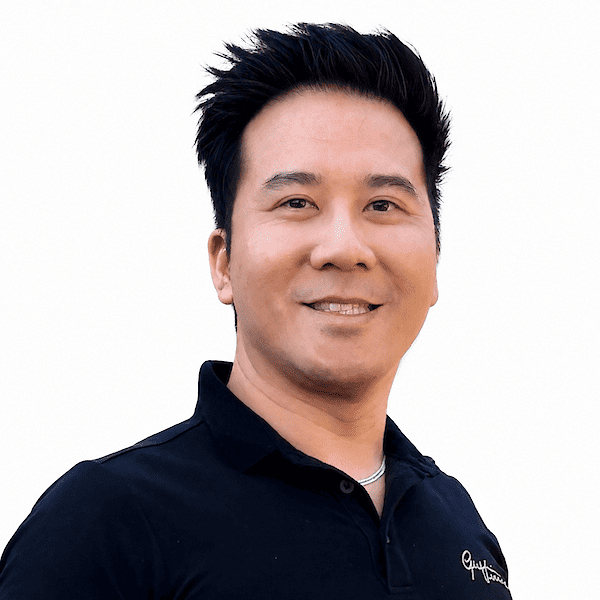
Vincent Tong
About
Policy commitments
We all want healthy, affordable, and comfortable homes. These policies will help to lower energy bills, cut pollution, and improve indoor air quality.
Our community is already experiencing the harmful impacts of climate change caused by fossil fuel pollution, and taxpayers are on the hook to upgrade and repair critical infrastructure.
The air we breathe, the water we drink, and the food we eat all rely on healthy ecosystems. Nature can also help protect our community from extreme weather by controlling floods, protecting shorelines, and cooling neighbourhoods. Access to nature improves the health and well-being of residents, and supports biodiversity.
We envision vibrant, walkable communities that protect nature and improve food security.
Connecting neighbourhoods through public transit and active transportation networks will cut pollution, improve public health, and make our communities more affordable (and fun!).
Climate change, increasing populations, and overconsumption threaten our water security. Healthy watersheds and forests are critical to support clean drinking water, stormwater management, climate resilience, and biodiversity for future generations.
Zero waste policies reduce pollution, keep waste out of landfills, build resilient local economies, and safeguard public health by shifting society away from a disposable culture toward a sustainable circular economy.
Climate action
When I was younger, I participated in community garbage cleanups and volunteered with the Richmond Nature Park and Vancouver Aquarium. Those experiences helped build my appreciation for protecting our natural environment.
Today, I continue to support environmental protection and greener living, although I am not currently involved with an environmental organization or advocacy group. Like many working people, I have to balance these issues with work and other responsibilities. I try to focus on realistic actions I can maintain in my everyday life and encourage others to do the same.
Questions for Burnaby
I would support protecting and expanding Burnaby’s tree canopy, preserving green space, improving parks and making sure new development includes good environmental planning. As our city grows, we also need infrastructure that can handle extreme weather, including heat, heavy rainfall and other changing conditions.
I support improving energy efficiency in City buildings, expanding practical transportation choices, and working with the Province and other levels of government on larger climate initiatives. New policies should also consider the cost to residents, particularly working families and seniors who are already dealing with a high cost of living.
Climate action and affordability should not be treated as competing goals. I would look for practical measures that reduce waste, protect our environment, prepare Burnaby for future climate impacts and make responsible use of public money.
At the same time, major roads need to move vehicles, buses, emergency services and goods efficiently. I support safer, slower streets around schools and neighbourhoods, while improving traffic flow on major routes and reducing unnecessary congestion and idling.
I would also push for better coordination of road construction. Residents should receive clear notice about major changes, and road, utility and transportation projects should be coordinated wherever possible to avoid repeatedly rebuilding the same area. Better planning can reduce costs, construction disruption, traffic and unnecessary environmental impacts.
I also support continued investment in public transit and EV charging. My goal is a balanced transportation system that gives people safe choices while keeping Burnaby moving efficiently.
I support improving access to bus stops and SkyTrain stations through safer sidewalks, crossings, lighting and connections for pedestrians and cyclists. On busy routes, I would support practical transit-priority measures where they can improve reliability without creating unnecessary congestion elsewhere.
I would also advocate to TransLink for better service in areas where population growth is putting pressure on existing routes, including more frequent and reliable bus service where needed. New housing and major developments should be planned with transit capacity in mind rather than adding thousands of residents and dealing with transportation problems afterward.
I would also push for better coordination of road construction so buses and residents are not repeatedly affected by poorly coordinated projects.
My approach would be practical: make transit easier to access, improve reliability, plan for growth and work with TransLink to address gaps in service.
These could provide short-term, substance-free housing with 24/7 staffing and trained social workers who help people access identification, healthcare, employment training, basic life skills and permanent housing.
Reusing suitable existing buildings could get people indoors faster while reducing some of the construction, materials and waste associated with new buildings. I would ask the City to identify suitable properties and explore partnerships with the Province, BC Housing and non-profit providers.
Not every commercial building will be appropriate for housing, but I believe we should look creatively at the buildings and land we already have. The goal should be more than providing a bed. It should be helping people stabilize, rebuild their lives and move toward permanent housing.
We should also look for opportunities to use natural drainage, rain gardens and other green infrastructure to manage heavy rainfall rather than relying only on traditional drainage systems.
I also support expanding community gardens and food-growing spaces where appropriate. These can give residents more opportunities to grow their own food, bring neighbours together and make productive use of suitable public spaces.
As Burnaby grows, green space should not be treated as leftover land after development. Parks, trees and natural areas are part of our infrastructure and contribute to the health and livability of our neighbourhoods. I would support planning for housing and green space together rather than treating them as competing priorities.
Compiled & presented by


Vote4Tomorrow is an independent voter guide to evaluate where local candidates stand on climate and environmental policies that will affect our future.