Ryan Erwin

Ryan Erwin

Council · Burnaby
Burnaby 40 yrs

About

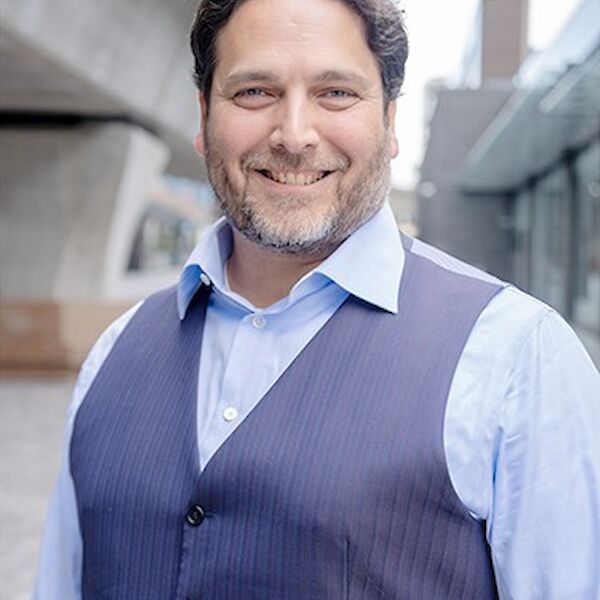
Ryan Erwin is an Indigenous (Heiltsuk First Nation) lawyer with deep roots in Burnaby, where he was born and raised and continues to call home.

Policy commitments

Buildings

We all want healthy, affordable, and comfortable homes. These policies will help to lower energy bills, cut pollution, and improve indoor air quality.

✓ Support electrification of new buildings. Supportive
✓ Incentivize electric heat pumps and air filtration systems. Supportive
✓ Incentivize renewable energy, battery storage, and smart-grid technologies in new and existing buildings to improve energy security. Supportive
✓ Scale up energy retrofits for existing homes, businesses, and public buildings. Supportive
✓ Implement a 'right to cool' bylaw to protect tenants during extreme heat events. Supportive
Climate Justice

Our community is already experiencing the harmful impacts of climate change caused by fossil fuel pollution, and taxpayers are on the hook to upgrade and repair critical infrastructure.

✓ Endorse the fossil fuel treaty and commit to phase out fossil fuels. Supportive
✓ Enact a moratorium on AI data centres to protect our energy and water resources. Supportive
✓ Pursue available legal options to recover a fair share of the climate costs facing our community from fossil fuel companies and other big polluters. Supportive
✓ Collaborate with Indigenous peoples as partners in the stewardship of the land, air, and water, and work towards reconciliation. Supportive
Ecosystems

The air we breathe, the water we drink, and the food we eat all rely on healthy ecosystems. Nature can also help protect our community from extreme weather by controlling floods, protecting shorelines, and cooling neighbourhoods. Access to nature improves the health and well-being of residents, and supports biodiversity.

✓ Protect and restore ecosystems, which are essential to human survival, health, and economic well-being. Supportive
✓ Expand and protect tree canopy, parks, and green infrastructure to cool neighbourhoods, clean air, and manage stormwater. Supportive
✓ Prioritize native tree planting in all areas, especially those with low tree cover, higher population densities, and more vulnerable residents. Supportive
✓ Create connected urban greenways for people and wildlife. Supportive
Land Use

We envision vibrant, walkable communities that protect nature and improve food security.

✓ Build affordable homes near jobs, schools, shops, and transit. Supportive
✓ Upgrade critical infrastructure for heat, fire, flood, and storm resilience. Supportive
✓ Increase food security by supporting local agriculture and community gardens. Supportive
Transport

Connecting neighbourhoods through public transit and active transportation networks will cut pollution, improve public health, and make our communities more affordable (and fun!).

✓ Deliver reliable, frequent, affordable local transit. Supportive
✓ Advocate to improve regional public transit between communities. Supportive
✓ Build bike and roll networks that are safe for everyone. Supportive
✓ Expand EV charging infrastructure. Supportive
Watersheds

Climate change, increasing populations, and overconsumption threaten our water security. Healthy watersheds and forests are critical to support clean drinking water, stormwater management, climate resilience, and biodiversity for future generations.

✓ Implement water conservation plans and educate the public to conserve drinking water. Supportive
✓ Protect and restore watersheds as vital municipal infrastructure. Supportive
✓ Develop and implement a water security plan. Supportive
Zero Waste

Zero waste policies reduce pollution, keep waste out of landfills, build resilient local economies, and safeguard public health by shifting society away from a disposable culture toward a sustainable circular economy.

✓ Implement zero waste bylaws to divert organic waste and recyclables from disposal. Supportive
✓ Support the development of a circular economy to eliminate waste and improve resilience. Supportive
✓ Implement bylaws to eliminate waste from new buildings, renovation, and demolition projects and to use existing buildings as efficiently as possible. Supportive
✓ Supportive
~ Neutral
× Opposed
– No response

Climate action

How have you contributed to climate action in your community through advocacy, past work, advisory committees, volunteer work, and/or reducing your personal carbon footprint?
I understand the importance of climate action and that everyone has a part to play. Personally, I constantly have a trunk full of recyclables to take to the recycling depot. I have participated in a scuba diving clean up of Burrard Inlet near Cates Park. And I try to use public transit whenever is it practicable.

Questions for Burnaby

Climate change is already driving up the cost of living (i.e., insurance, food prices, strain on our healthcare system). How will you provide leadership in moving our municipality towards meaningful climate action that addresses this issue?
I will advocate for heat pumps and retrofits that cut energy bills, improvements to public transportation including in frequency so there is less reliance on cars, and ensuring there are affordable housing options accessible to jobs, schools, and skytrain stations.
What specific policies do you promise to fight for to address transportation emissions, including making streets safer for walking and active modes of travel?
Safer streets and lower emissions go hand in hand. It is important that we continue to build sidewalks, create safer crossings, and install street lights so pedestrians are safer to walk around their neighbourhoods. We need to continue progress toward Vision Zero and increase multi-use pathways, including connecting different neighbourhoods and town centres.
How will you improve transit in Burnaby, using tools within your jurisdiction as a municipality?
While the City doesn’t run transit, it controls the streets and land around it. Promoting the creation of new homes, small businesses, and services along SkyTrain and bus routes, and ensuring areas around bus stops are safe, lit, and accessible will encourage the use of public transit. Additionally, pushing TransLink and the Mayors’ Council for better service and an expansion of routes, while planning transit changes with residents and businesses along those routes in order to ensure transit is accessible and meets the needs of the community.
What ideas do you have to solve housing affordability and homelessness issues and address climate change at the same time?
The BCA has committed to building at least 1,000 new homes through the Burnaby Housing Authority by 2030 on City-owned land. We will partner with non-profits, co-ops, and other levels of government to create homes that are affordable to rent, heat, and cool. In combination with our transit advocacy, this will mean lower costs and lower emissions.
How can we make our parks and green spaces work harder for us in terms of rainwater management, carbon capture and food production? 
Parks and trees are infrastructure. We need to begin by planting first where the tree canopy is thinnest, protect and restore our creeks, create more community gardens and farms, as well as continuing to work through our Food System Strategy. We can create and promote rain gardens and green roofs to hold stormwater. It is important that we protect and promote biodiversity with native planting and by banning the sale of invasive species. The City can listen to community members that focus on biodiversity and protecting environments for the birds, bees, and butterflies.

Compiled & presented by

Vote4Tomorrow is an independent voter guide to evaluate where local candidates stand on climate and environmental policies that will affect our future.

© 2026 Vote4Tomorrow