Rea Park

Rea Park

Council · Burnaby
Middle Gate 25 yrs

About

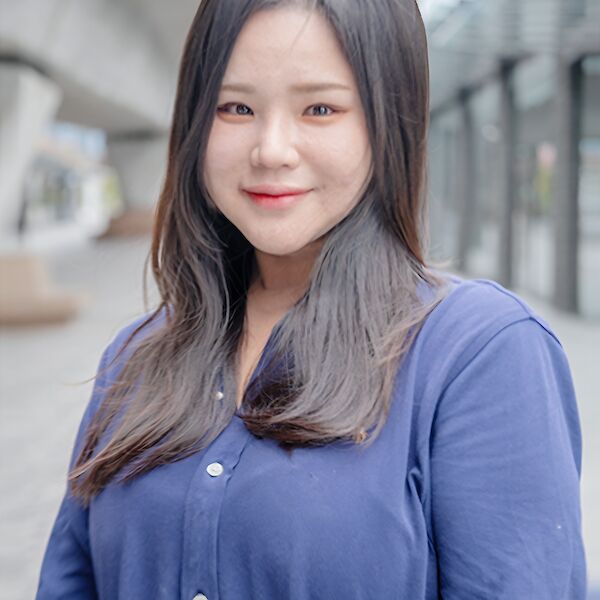
Rea Park is a Burnaby City Council candidate, community organizer and insurance professional. A longtime Burnaby resident, she is a Constituency Advisor and founder of CANAREA, supporting youth, seniors and newcomers.

Policy commitments

Buildings

We all want healthy, affordable, and comfortable homes. These policies will help to lower energy bills, cut pollution, and improve indoor air quality.

✓ Support electrification of new buildings. Supportive
✓ Incentivize electric heat pumps and air filtration systems. Supportive
~ Incentivize renewable energy, battery storage, and smart-grid technologies in new and existing buildings to improve energy security. Neutral
✓ Scale up energy retrofits for existing homes, businesses, and public buildings. Supportive
~ Implement a 'right to cool' bylaw to protect tenants during extreme heat events. Neutral
Climate Justice

Our community is already experiencing the harmful impacts of climate change caused by fossil fuel pollution, and taxpayers are on the hook to upgrade and repair critical infrastructure.

~ Endorse the fossil fuel treaty and commit to phase out fossil fuels. Neutral
~ Enact a moratorium on AI data centres to protect our energy and water resources. Neutral
~ Pursue available legal options to recover a fair share of the climate costs facing our community from fossil fuel companies and other big polluters. Neutral
✓ Collaborate with Indigenous peoples as partners in the stewardship of the land, air, and water, and work towards reconciliation. Supportive
Ecosystems

The air we breathe, the water we drink, and the food we eat all rely on healthy ecosystems. Nature can also help protect our community from extreme weather by controlling floods, protecting shorelines, and cooling neighbourhoods. Access to nature improves the health and well-being of residents, and supports biodiversity.

✓ Protect and restore ecosystems, which are essential to human survival, health, and economic well-being. Supportive
✓ Expand and protect tree canopy, parks, and green infrastructure to cool neighbourhoods, clean air, and manage stormwater. Supportive
✓ Prioritize native tree planting in all areas, especially those with low tree cover, higher population densities, and more vulnerable residents. Supportive
✓ Create connected urban greenways for people and wildlife. Supportive
Land Use

We envision vibrant, walkable communities that protect nature and improve food security.

✓ Build affordable homes near jobs, schools, shops, and transit. Supportive
✓ Upgrade critical infrastructure for heat, fire, flood, and storm resilience. Supportive
✓ Increase food security by supporting local agriculture and community gardens. Supportive
Transport

Connecting neighbourhoods through public transit and active transportation networks will cut pollution, improve public health, and make our communities more affordable (and fun!).

✓ Deliver reliable, frequent, affordable local transit. Supportive
✓ Advocate to improve regional public transit between communities. Supportive
✓ Build bike and roll networks that are safe for everyone. Supportive
✓ Expand EV charging infrastructure. Supportive
Watersheds

Climate change, increasing populations, and overconsumption threaten our water security. Healthy watersheds and forests are critical to support clean drinking water, stormwater management, climate resilience, and biodiversity for future generations.

✓ Implement water conservation plans and educate the public to conserve drinking water. Supportive
✓ Protect and restore watersheds as vital municipal infrastructure. Supportive
~ Develop and implement a water security plan. Neutral
Zero Waste

Zero waste policies reduce pollution, keep waste out of landfills, build resilient local economies, and safeguard public health by shifting society away from a disposable culture toward a sustainable circular economy.

~ Implement zero waste bylaws to divert organic waste and recyclables from disposal. Neutral
~ Support the development of a circular economy to eliminate waste and improve resilience. Neutral
~ Implement bylaws to eliminate waste from new buildings, renovation, and demolition projects and to use existing buildings as efficiently as possible. Neutral
✓ Supportive
~ Neutral
× Opposed
– No response

Climate action

How have you contributed to climate action in your community through advocacy, past work, advisory committees, volunteer work, and/or reducing your personal carbon footprint?
I ‌have ‌most ‌of my experience with climate action in the community level work that I have been doing for years. With CANAREA, I have worked with youth, seniors, newcomers, all different types of cultural groups. I have found that the best way to engage the community in community events is to have a simple idea that they can relate to in their everyday lives. I believe that climate action is the same way. We need good policies but we also need to make it plausible for people to take part in. I think a lot of climate action is involved in the development of our city. Improving transit access, creating safe spaces to hike and bike, preserving our trees and greenery, community gardens, and having more high-density housing near transit.

Questions for Burnaby

Climate change is already driving up the cost of living (i.e., insurance, food prices, strain on our healthcare system). How will you provide leadership in moving our municipality towards meaningful climate action that addresses this issue?
In ‌the ‌insurance ‌industry, I have seen firsthand how an unexpected event can affect a family's finances. Not only does flooding and severe weather wreak havoc on your home, but you may need to evacuate and replace items you didn't plan to replace. This is why being resilient to climate change is important to me. I plan to prioritize climate change initiatives that improve quality of life. Improving transit and making our streets safer for walking and biking provides more transportation options and decreases car usage.
What specific policies do you promise to fight for to address transportation emissions, including making streets safer for walking and active modes of travel?
I ‌believe ‌that ‌giving people options when it comes to transportation is a good way to cut down on emissons. I would like to see more sidewalks and streetlights, especially to places like schools, parks, and community centers. I would also like to see Burnaby to continue to make more space for walking and cycling infrastructure and corridors that actually connect to things, rather than just cutting out in the middle of nowhere.We could also implement more change around school zones. Burnaby is already starting the School Streets program, and I would like to see that expanded where appropriate along with better crossing lights and routes around our schools.
How will you improve transit in Burnaby, using tools within your jurisdiction as a municipality?
With all this growth in Burnaby I want us to work with Translink to advocate for more frequency and better connections especially in neighborhoods where new housing is going up. But what can we do that has an impact locally? If buses are stuck in traffic all the time, maybe we can implement things like transit signals and queue jumps to help move them along. I also think about the whole trip, not just how long someone is on a bus or skytrain. Can a senior walk to the bus stop safely? Is there a sidewalk? Is the crosswalk safe? Can someone get from their house to the station without having to drive there? Little things like that add up. I have heard from people who depend on transit all the time and how much it affects them if it isn't reliable in getting to work, school or an appointment. Council cannot dictate every single bus route but we can design our streets and new development, collaborate with Translink and advocate for better transit in neighborhoods where Burnaby residents need it.
What ideas do you have to solve housing affordability and homelessness issues and address climate change at the same time?
There ‌are ‌many ‌ways in which housing and climate interact. Having more affordable housing built in areas with transit and shops makes a difference as it gives us more options and we dont have to use our car for everything. I support using City owned land and continuing to partner with the Burnaby Housing Authority, non-profits and co-ops to build more affordable and non-market housing. When we are talking about people who are homeless, housing is obviously part of the solution but there are also people who need mental health, addictions and other types of support. So its really important that City continue to work with the Province and non-profits.
How can we make our parks and green spaces work harder for us in terms of rainwater management, carbon capture and food production? 
I ‌believe ‌parks ‌and greenspace should not only be thought of as a park, but as an important aspect of managing our growing city. Take trees, they provide us with
shade, water absorption, and carbon storage, it only seems like a good idea to preserve mature trees, plant more and put effort into areas with low canopy cover. What I would like to see Burnaby do in the future is to grow our urban forest, plant more native,
adaptable trees and to find ways to have rain water absorption in more places rather than running off into the drain. In addition, community gardens won't fix food affordability at this point with grocery prices where they are, but they can help connect people
to fresh food, so I think that's a good thing. I like the idea of having multiple uses for the same space, parks should not only be a place for family activities but also a place to get some much needed shade on a hot day to have water absorption during heavy
rainfalls, a habitat for animals and even a space to grow food. As our city grows, I believe we should get more out of our greenspace and to protect it even more.

Compiled & presented by

Vote4Tomorrow is an independent voter guide to evaluate where local candidates stand on climate and environmental policies that will affect our future.

© 2026 Vote4Tomorrow