Mary Blanca Villa y Battenberg

Mary Blanca Villa y Battenberg

Council · Burnaby
Burnaby 13 yrs

About

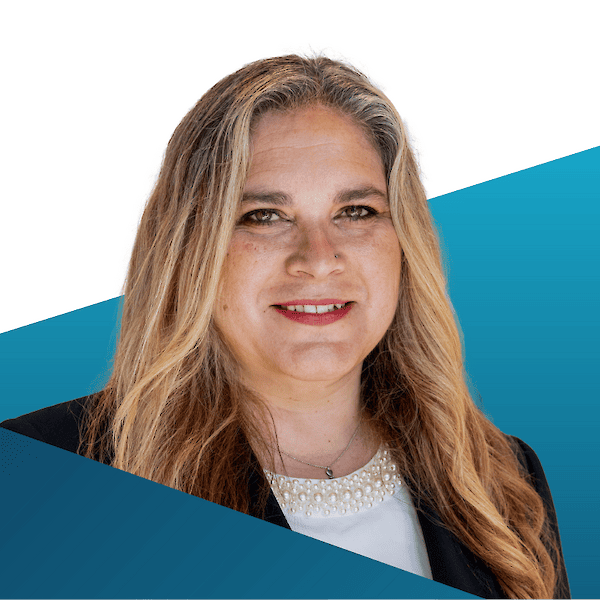
I am Mary Blanca Villa y Battenberg, a community builder, financial professional & Burnaby City Council candidate. I care deeply about our neighbourhoods and the people who calls Burnaby home. Join me to build a safer, stronger Burnaby together.

Policy commitments

Buildings

We all want healthy, affordable, and comfortable homes. These policies will help to lower energy bills, cut pollution, and improve indoor air quality.

× Support electrification of new buildings. Opposed
× Incentivize electric heat pumps and air filtration systems. Opposed
~ Incentivize renewable energy, battery storage, and smart-grid technologies in new and existing buildings to improve energy security. Neutral
~ Scale up energy retrofits for existing homes, businesses, and public buildings. Neutral
~ Implement a 'right to cool' bylaw to protect tenants during extreme heat events. Neutral
Climate Justice

Our community is already experiencing the harmful impacts of climate change caused by fossil fuel pollution, and taxpayers are on the hook to upgrade and repair critical infrastructure.

× Endorse the fossil fuel treaty and commit to phase out fossil fuels. Opposed
~ Enact a moratorium on AI data centres to protect our energy and water resources. Neutral
~ Pursue available legal options to recover a fair share of the climate costs facing our community from fossil fuel companies and other big polluters. Neutral
~ Collaborate with Indigenous peoples as partners in the stewardship of the land, air, and water, and work towards reconciliation. Neutral
Ecosystems

The air we breathe, the water we drink, and the food we eat all rely on healthy ecosystems. Nature can also help protect our community from extreme weather by controlling floods, protecting shorelines, and cooling neighbourhoods. Access to nature improves the health and well-being of residents, and supports biodiversity.

✓ Protect and restore ecosystems, which are essential to human survival, health, and economic well-being. Supportive
✓ Expand and protect tree canopy, parks, and green infrastructure to cool neighbourhoods, clean air, and manage stormwater. Supportive
✓ Prioritize native tree planting in all areas, especially those with low tree cover, higher population densities, and more vulnerable residents. Supportive
✓ Create connected urban greenways for people and wildlife. Supportive
Land Use

We envision vibrant, walkable communities that protect nature and improve food security.

~ Build affordable homes near jobs, schools, shops, and transit. Neutral
✓ Upgrade critical infrastructure for heat, fire, flood, and storm resilience. Supportive
✓ Increase food security by supporting local agriculture and community gardens. Supportive
Transport

Connecting neighbourhoods through public transit and active transportation networks will cut pollution, improve public health, and make our communities more affordable (and fun!).

✓ Deliver reliable, frequent, affordable local transit. Supportive
✓ Advocate to improve regional public transit between communities. Supportive
✓ Build bike and roll networks that are safe for everyone. Supportive
✓ Expand EV charging infrastructure. Supportive
Watersheds

Climate change, increasing populations, and overconsumption threaten our water security. Healthy watersheds and forests are critical to support clean drinking water, stormwater management, climate resilience, and biodiversity for future generations.

✓ Implement water conservation plans and educate the public to conserve drinking water. Supportive
✓ Protect and restore watersheds as vital municipal infrastructure. Supportive
✓ Develop and implement a water security plan. Supportive
Zero Waste

Zero waste policies reduce pollution, keep waste out of landfills, build resilient local economies, and safeguard public health by shifting society away from a disposable culture toward a sustainable circular economy.

✓ Implement zero waste bylaws to divert organic waste and recyclables from disposal. Supportive
~ Support the development of a circular economy to eliminate waste and improve resilience. Neutral
~ Implement bylaws to eliminate waste from new buildings, renovation, and demolition projects and to use existing buildings as efficiently as possible. Neutral
✓ Supportive
~ Neutral
× Opposed
– No response

Climate action

How have you contributed to climate action in your community through advocacy, past work, advisory committees, volunteer work, and/or reducing your personal carbon footprint?
I have contributed to climate change action through my community work, volunteer involvement, advocacy and everyday choices.
I have served on the Immigrant and Refugees Advisory Council where advocated for inclusive, sustainable and locally driven solutions. I have also participated in community projects such installing four mini libraries and organizing the Refugee and Immigrants Photo Exhibit in Burnaby, reflecting my belief that we can reuse resources, improve public spaces, and engage residents in creating healthier neighbourhoods.
Through community building work, I have supported initiatives that promote reuse, reduce waste, and encourage residents to care for shared public spaces. I have also assisted organizations that provide recycling education, including translating and sharing information in multiple languages so more residents can access to these resources.
In my daily life, I use public transit whenever possible, walk regularly, and take advantage of bicycle routes. I support local community gardens and I enjoy planting flowers that benefit pollinators. At home I separate recycling, plastic, compost. I use choose clothing made primarily from natural fibres, and support local business and Indigenous artisans.

Questions for Burnaby

Climate change is already driving up the cost of living (i.e., insurance, food prices, strain on our healthcare system). How will you provide leadership in moving our municipality towards meaningful climate action that addresses this issue?
Our two primary tasks are to improve access to alternative transportation options and enhance our biodiversity. BC leads the country in ZEV adoption, and Burnaby has enough electric power to be part of the transition from ICE to ZEV vehicles. However, getting the power to and through our existing grid will be challenging, especially during peak hours between 5:00 and 8:00 p.m. The market indicates strong demand for BEVs and PHEVs, and the city needs the infrastructure to accommodate this demand.
City planning and development are part of the environment and must integrate with our ecosystem that won’t have major impact areas such as water management, air, and green spaces. We cannot build development and infrastructure that helps reduce emissions while disrupting the very ecosystem we are trying to protect.
What specific policies do you promise to fight for to address transportation emissions, including making streets safer for walking and active modes of travel?
To reduce emissions, we should plant more trees, as carbon is their fundamental building block.
For safety and alternative travel methods, we need to install and improve sidewalks, create dedicated bike routes connecting to major corridors, and improve lighting on established routes. Additionally, we can install smart sensors on selective traffic lights to mitigate potential accidents.
Electric vehicles also present concerns, as they can pollute in more detrimental ways compared to internal combustion engine (ICE) vehicles. Their waste is often more toxic and harder to remove from our environment than greenhouse gases. Furthermore, BC Hydro does not currently produce enough electricity to serve as BC's primary energy source. Society still requires fossil fuels, as they remain the most stable, reliable, and obtainable energy source. It is premature to force a transition before technology and infrastructure are fully prepared. My forecast for clean, stable, and obtainable transportation energy points primarily to fuel cells and hydrogen, though both technologies are not yet mass-market ready.
How will you improve transit in Burnaby, using tools within your jurisdiction as a municipality?
We will need to look at the data and design a desired outcome. Burnaby is a stakeholder in deciding fare rates, expansion plans, and funding for long-term planning. Based on the data, this could translate into new bus lanes, bus stops, transit shelters, and improved bus operating hours and frequencies.
What ideas do you have to solve housing affordability and homelessness issues and address climate change at the same time?
Aside from expediting permitting times, we can also reduce permitting fees for PBRs, laneway units, and secondary suites. We will standardize more building templates to include lot dimensions. Additionally, we should allow gas-powered heat pumps and high-efficiency hot water systems, and offer grants to buildings meeting Step 4+ codes—because natural gas is more cost-effective compared to hydro electricity.
How can we make our parks and green spaces work harder for us in terms of rainwater management, carbon capture and food production? 
We would not sell or rezone agricultural land for development. We should also reduce the SSMUH footprint to allow more front and backyard space for permeable surfaces to manage rainwater. Additionally, we can promote green roofs for single-family homes, as their technology and low maintenance make them an ideal solution. Although they cost more than conventional asphalt roofs, the city could implement them in social housing projects to make them more energy-efficient.

Compiled & presented by

Vote4Tomorrow is an independent voter guide to evaluate where local candidates stand on climate and environmental policies that will affect our future.

© 2026 Vote4Tomorrow