
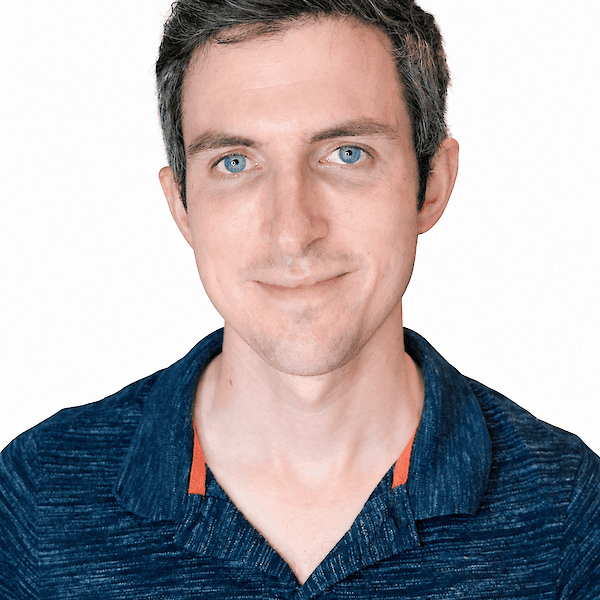
Joel Gibbs
About
Policy commitments
We all want healthy, affordable, and comfortable homes. These policies will help to lower energy bills, cut pollution, and improve indoor air quality.
Our community is already experiencing the harmful impacts of climate change caused by fossil fuel pollution, and taxpayers are on the hook to upgrade and repair critical infrastructure.
The air we breathe, the water we drink, and the food we eat all rely on healthy ecosystems. Nature can also help protect our community from extreme weather by controlling floods, protecting shorelines, and cooling neighbourhoods. Access to nature improves the health and well-being of residents, and supports biodiversity.
We envision vibrant, walkable communities that protect nature and improve food security.
Connecting neighbourhoods through public transit and active transportation networks will cut pollution, improve public health, and make our communities more affordable (and fun!).
Climate change, increasing populations, and overconsumption threaten our water security. Healthy watersheds and forests are critical to support clean drinking water, stormwater management, climate resilience, and biodiversity for future generations.
Zero waste policies reduce pollution, keep waste out of landfills, build resilient local economies, and safeguard public health by shifting society away from a disposable culture toward a sustainable circular economy.
Climate action
For the past 9 years I have worked in different aspects of sustainable transportation and logistics, focused on zero emission goods movement and delivery, cycling, and transit. This has given me deep insight into the inter-connections between transportation, building forms and land use, emissions and the environment, and really how so much of our day-to-day life is deeply connected and impacted by sustainability (or lack thereof).
Climate action and sustainability are ingrained into how I move through the world, ensuring consistent alignment with those values and helping direct focus around how we can solve all the challenges facing our city, together.
Questions for Burnaby
Transportation and building emissions make up the vast majority of GHG emissions in Burnaby and far more needs to be done to reduce those. Transportation is the easiest for the city to address by speeding up buses at least 20% within 2 years with signal priority and other transit priority measures, making transit faster and more convenient for more people.
Almost 40% of streets lack sidewalks on one or both sides. Within 5 years we can ensure every street has an accessible sidewalk, making streets safer, more accessible, and enjoyable to walk.
Within 3 years, Burnaby can build out its connected initial Major Cycling network that is safe and accessible for everyone. Currently, there are far too many gaps and areas that are not safe nor comfortable for many.
Addressing all of these areas will help reduce transportation emissions by providing people with a safe, efficient, convenient and sustainable option to move around the city, while also reducing health and safety costs from crashes, delays, and more.
Answers below go into more detail on other areas around housing and building emissions, nature and green spaces, and more that all work together towards meaningful climate action.
Underlying everything is the idea of ensuring sustainability for people, for the environment, and for future generations.
- Ensure every street has a connected, accessible sidewalk within 5 years
- Re-design dangerous streets and intersections to ensure safety for all and implement a permanent 30km/h speed limit on all neighbourhood streets and all streets around schools. This will use economical quick-build methods to roll-out safety improvements across the city quickly with a focus on the most dangerous locations first
- Speed-up buses at least 20% during peak times with transit priority on all frequent routes in Burnaby within 2 years
- Install a bench and shelter at every bus stop by 2030
- Complete the initial Major Cycling Network outlined in Burnaby’s Transportation Plan within 3 years
- Ensure every home in Burnaby is no more than 500m from a High-comfort bikeway by 2040
- Implement a 2 metre standard sidewalk width with more space in town centres to ensure safety and accessibility for all, and allow for easy re-purposing of space to make it more inviting and welcoming
- Separate multi-use paths into wide sidewalks and protected bike lanes to prevent conflicts between people walking, rolling and driving to ensure the safety, accessibility and comfort for everyone
- Enable at least one year-round car free street in each town centre
More details can be found in my platform: joelgibbs.ca/platform
By 2030 we will install a bench and shelter at every bus stop, allowing for a simple, cost-effective design that can quickly be implemented at lower-use stop locations.
I commit to implementing a Low income transit (LIT) pass for Burnaby residents. The push will be for a regional and provincial Low Income Transit (LIT) pass, but if a regional LIT pass is not implemented within 2 years, Burnaby will work with Translink to fund and implement a LIT pass for Burnaby residents which other cities could then join.
To ensure everyone has safe and accessible access to and from transit, we will build a connected, accessible sidewalk on every street within 5 years. Currently almost 40% of streets in Burnaby are missing a sidewalk on one or both sides of the street.
For existing rental buildings, we will implement a Standards and Maintenance bylaw to ensure at least one area of every building that can remain a safe space during extreme heat events. Additionally, building upon some of the existing work the city has done, while working with owners to adhere to the new bylaw, the city can provide connections to rebates and supports from other entities to reduce or eliminate emissions from current building systems.
For those most vulnerable in our community, we will provide a full spectrum of housing and supports (shelter, supportive housing, local rehab and detox facilities, etc) within Burnaby. Additionally, we will create a non-police mental health intervention and crisis response, centred on well-being with health and peer support workers, to support those most in need and connect them to necessary resources.
I will protect existing parks and conservation spaces while also creating new parks and green spaces in denser areas that are currently lacking sufficient access. We will ensure a minimum of 20% tree canopy coverage in every neighbourhood by 2040 to reduce extreme heat impacts and noise pollution while increasing city-wide tree cover to 40% by 2050.
Shifting some of the maintained planting spaces and trees to food producing areas, open to the community, can play a small part in helping provide some food security and access to healthy, fresh, and nutritious foods.
Trees, parks, and green spaces are vital to help mitigate the effects from worsening climate extremes, minimizing flooding, reducing impacts of extreme temperatures, and boosting mental and physical health for our community.
In built up neighbourhoods, adjusting redevelopment plans to minimize the need for excavation, preserve existing mature trees, and ensure permeable surfaces to handle rain events better goes a long way to ensure both a more welcoming environment for those that live there and also supporting efforts around GHG reduction and climate adaptation.
Compiled & presented by

Vote4Tomorrow is an independent voter guide to evaluate where local candidates stand on climate and environmental policies that will affect our future.