
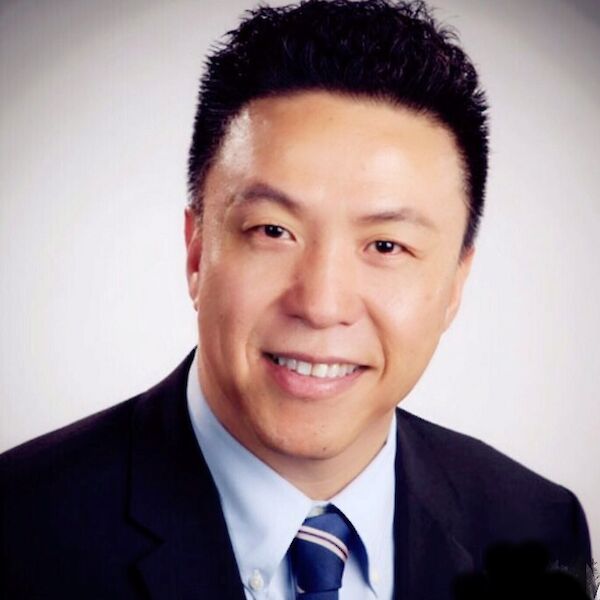
James Wang
About
Policy commitments
We all want healthy, affordable, and comfortable homes. These policies will help to lower energy bills, cut pollution, and improve indoor air quality.
Our community is already experiencing the harmful impacts of climate change caused by fossil fuel pollution, and taxpayers are on the hook to upgrade and repair critical infrastructure.
The air we breathe, the water we drink, and the food we eat all rely on healthy ecosystems. Nature can also help protect our community from extreme weather by controlling floods, protecting shorelines, and cooling neighbourhoods. Access to nature improves the health and well-being of residents, and supports biodiversity.
We envision vibrant, walkable communities that protect nature and improve food security.
Connecting neighbourhoods through public transit and active transportation networks will cut pollution, improve public health, and make our communities more affordable (and fun!).
Climate change, increasing populations, and overconsumption threaten our water security. Healthy watersheds and forests are critical to support clean drinking water, stormwater management, climate resilience, and biodiversity for future generations.
Zero waste policies reduce pollution, keep waste out of landfills, build resilient local economies, and safeguard public health by shifting society away from a disposable culture toward a sustainable circular economy.
Climate action
Burnaby has set strong climate targets, and I have supported investments and policies that help move us toward them, including more energy-efficient and low-carbon buildings, expansion of EV charging, active transportation, transit-oriented communities, protection of our urban forest, and continued investment in parks and green infrastructure.
I also supported Burnaby’s Urban Forest Strategy, which sets a long-term goal of increasing our tree canopy to 40%.
For me, climate action also has to be practical and fair. The transition should lower long-term costs, improve public health and make our neighbourhoods more resilient, while ensuring that seniors, renters, families, small businesses and lower-income residents are not left behind.
Questions for Burnaby
Burnaby can make the greatest difference in areas where municipalities have a direct role: buildings, transportation, land use, infrastructure and our natural environment. I will continue supporting energy-efficient and low-carbon buildings, retrofits of existing buildings, heat pumps and other technologies that can reduce emissions and long-term energy costs.
We should also expand EV charging, improve transit, create safer walking and cycling connections, and build complete communities where people can reach everyday needs without always having to drive.
Climate adaptation is just as important. Our infrastructure and neighbourhoods need to be better prepared for extreme heat, flooding, wildfire smoke and severe weather. Expanding tree canopy and green infrastructure is part of that work.
At the same time, we need to be mindful of affordability. Wherever possible, Burnaby should leverage provincial and federal programs so that the cost of the transition does not fall disproportionately on households and small businesses.
I will support continued implementation of Burnaby’s Transportation Plan and the expansion of safe, connected walking, cycling and rolling infrastructure. This includes more sidewalks and street lighting, especially on routes to schools, parks and community centres; safer intersections and crossings; multi-use pathways connecting neighbourhoods and town centres; and continued progress toward Vision Zero.
The BCA platform also supports expanding the School Streets initiative and investing in active transportation.
At the same time, active transportation is only part of the solution. We need better public transit, more EV charging and car-sharing options so that people of different ages, abilities, occupations and family circumstances have realistic choices.
My approach is to provide safer and more convenient options while working with residents, businesses and people with accessibility needs when changes are proposed.
I will continue advocating to TransLink and senior governments for more frequent service, additional routes and better connections between Burnaby neighbourhoods and the rest of the region. As our population grows, transit service and capacity need to grow with it.
Within municipal jurisdiction, we can make transit easier to reach and use through safe sidewalks and crossings, accessible bus stops, good connections between walking, cycling and transit networks, and appropriate housing, employment and services near major transit corridors.
I also support expanding car-share into more neighbourhoods to give residents additional mobility choices.
Major transit projects should include meaningful consultation with affected residents and businesses. Better transit and successful local commercial streets should not be treated as competing goals. Good planning should aim to improve mobility while maintaining accessibility and supporting local businesses.
Burnaby should continue building more affordable and non-market housing in complete, transit-oriented communities where residents can easily reach jobs, schools, shops, parks and public transit. This can reduce both household transportation costs and emissions.
Through the Burnaby Housing Authority, we are committed to starting at least 1,000 new rental homes by 2030, using City-owned land and partnerships with non-profits, co-ops and senior governments.
New housing should also be energy-efficient and climate resilient from the beginning, while existing buildings need practical support for retrofits and lower-carbon heating and cooling systems such as heat pumps.
Extreme heat is an increasing concern, particularly for seniors and vulnerable residents. Affordable housing should therefore include effective cooling, clean-air and climate-resilience measures.
The goal should be housing that is affordable not only to rent or buy, but also affordable to heat, cool and live in over the long term.
Burnaby’s Urban Forest Strategy establishes a long-term goal of increasing our tree canopy to 40%. We should prioritize planting in neighbourhoods where tree cover is lowest and use native, drought-tolerant and climate-adapted species where appropriate.
Trees and green infrastructure provide many benefits at the same time: they absorb carbon, provide shade during extreme heat, improve air quality, create wildlife habitat and help manage stormwater.
We should also expand community gardens and move forward with a community farm and broader food-systems strategy on suitable City-owned agricultural land. This can strengthen local food security while creating educational and community-building opportunities.
I also support exploring green roofs and other nature-based solutions in denser neighbourhoods to help retain rainwater, reduce urban heat and add vegetation.
As Burnaby grows, protecting and expanding our natural assets should remain part of how we plan and invest in the city.
Compiled & presented by


Vote4Tomorrow is an independent voter guide to evaluate where local candidates stand on climate and environmental policies that will affect our future.