
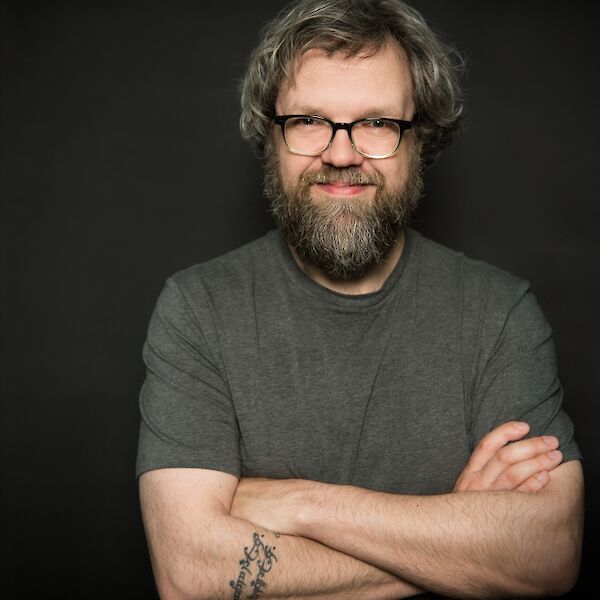
Keith Davidson
- Neighbourhood:
- Bowen Island
- Years in the community:
- 2
About
Policy commitments
We all want healthy, affordable, and comfortable homes. These policies will help to lower energy bills, cut pollution, and improve indoor air quality.
Our community is already experiencing the harmful impacts of climate change caused by fossil fuel pollution, and taxpayers are on the hook to upgrade and repair critical infrastructure.
The air we breathe, the water we drink, and the food we eat all rely on healthy ecosystems. Nature can also help protect our community from extreme weather by controlling floods, protecting shorelines, and cooling neighbourhoods. Access to nature improves the health and well-being of residents, and supports biodiversity.
We envision vibrant, walkable communities that protect nature and improve food security.
Connecting neighbourhoods through public transit and active transportation networks will cut pollution, improve public health, and make our communities more affordable (and fun!).
Climate change, increasing populations, and overconsumption threaten our water security. Healthy watersheds and forests are critical to support clean drinking water, stormwater management, climate resilience, and biodiversity for future generations.
Zero waste policies reduce pollution, keep waste out of landfills, build resilient local economies, and safeguard public health by shifting society away from a disposable culture toward a sustainable circular economy.
Climate action
Beyond my own choices, I'm a strong advocate for expanding access to alternative electric personal transportation: e-bikes, low-speed vehicles (LSVs), and European-style electric microcars. Right now, e-bikes and low-speed vehicles face significant restrictions, and European-style electric microcars are effectively impossible to bring onto our roads under Canada's federal vehicle regulations and BC's Motor Vehicle Act, and this is a change I want to champion. A 2022 EU study (Ehrenberger, et al., 2022) found that light electric vehicles could replace 75% of car trips and 50% of car mileage, cutting transportation-related CO2 emissions by 44%. On Bowen Island specifically, with our lower speed limits and shorter travel distances, light electric vehicles would likely be able to replace an even higher share of local trips, making this an especially practical fit for our community.
I also want to push for a simpler, fee-free permitting process for residential solar, battery storage, and rainwater capture systems, along with mandating these systems in new builds and redevelopments, making them the default rather than a costly retrofit later.
Questions for Bowen Island
The argument commonly raised by BC Ferries against this is berth space limitations at Horseshoe Bay. But this problem already has a solution, one that BC Ferries itself studied in 2015: consolidating Nanaimo departures at the Tsawwassen terminal, which has more berths and more vehicle marshalling space. This would more than free up the space needed for Island Class charging infrastructure to serve Bowen Island, as well as the future space needed for a similar electric ferry for the Sunshine Coast.
Any expansion of the project's scope would need to go through rigorous environmental and regulatory review, including under the Squamish Nation Environmental Assessment Agreement, and I would strongly fight to ensure that review is thorough and science-based.
I'd also note that this project is governed by a first-of-its-kind, legally binding Indigenous-led environmental assessment agreement. And in recognizing the rights, knowledge, and environmental stewardship of the Squamish Nation, I find it difficult to second-guess that process or the Nation's decision to approve the project.
That said, growing visitor numbers do intersect with real vulnerabilities on Bowen: our trails, forests and shoreline ecosystems can be degraded by higher foot traffic if we don't invest in trail development and maintenance, signage, and enforcement. Our systems need capacity planning that accounts for seasonal peaks, not just average loads, and our transportation system (ferry capacity and marshalling, local transit, and personal and active transportation options) needs to be sized for, or able to expand to meet, peak demand rather than just year-round averages.
My approach would be to invest directly in that infrastructure rather than in measures aimed at discouraging visitors: working with partners like the provincial government, Metro Vancouver, the Island Trust and local stewardship groups on trail capacity and ecosystem monitoring, pushing for better seasonal planning, and advocating for the ferry and transportation improvements I've already discussed. Solving the actual bottlenecks benefits residents and visitors alike, and it's a more honest way to address these concerns than treating tourism itself as the problem.
What I do think is that we've had some real successes over the last few years that I'd like to see us expand. FireSmart programming, for one, has given residents much greater access to information about what they can personally do to decrease their fire risk and improve their readiness. Our volunteer fire department has continued to add new skills and capabilities to its toolkit, which not only makes us more resilient, but for some homeowners further from hydrant infrastructure, has meaningfully decreased their home insurance costs. NERP (Neighbourhood Emergency Response Program) and ESS (Emergency Support Services) have, and continue to, improve our readiness and resilience to all sorts of future challenges. I want to fully recognize the work of all these groups and strongly advocate for more Boweners to get involved!
Underlying all of this, I think Bowen needs a coordinated climate adaptation plan, developed with input from Island Trust, Metro Vancouver, and emergency services, that prioritizes these risks based on real data and expert guidance, rather than reacting to them one at a time as they occur. Resilience isn't just about responding to disasters, it's about investing ahead of them, and listening to the people with the expertise I don't have.
Compiled & presented by


Vote4Tomorrow is an independent voter guide to evaluate where local candidates stand on climate and environmental policies that will affect our future.